Modules
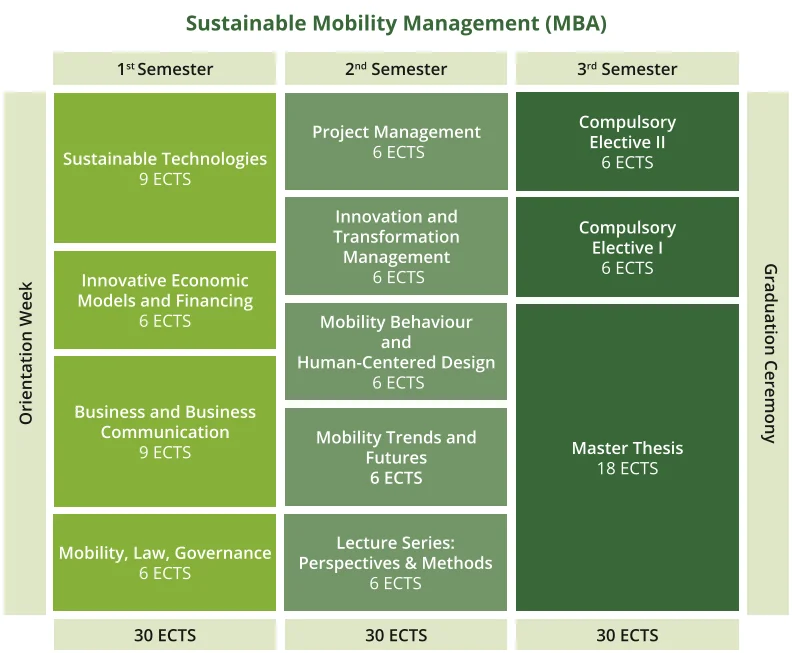
M01 Sustainable Technologies
This module explains the basic principles of sustainability and highlights the effects of climate change. It not only deals with different energy sources, but also presents various technologies that are essential for a sustainable transformation. Students gain insights into the fundamentals of technical systems and their social, economic and ecological effects. They are enabled to critically question technologies and propose optimization options.
M02 Innovative Economic Models and Financing
This module is an introduction to economics and the circular economy. Taking into account social responsibility and sustainable development, it teaches the most important fundamentals of innovative economic models for the upcoming modules, builds on the latest findings and critically reflects on economic models. Students also learn about various financial instruments and financing structures for sustainable mobility projects Students are taught how to incorporate ethical considerations into financial decisions.
M03 Business and Business Communication
This module gives inputs on (innovative) business in Sustainable Mobility, building on the latest findings and provides a critically reflective business thinking. Students are able to define the basic principles of business, apply problem-solving skills in case studies involving various fields of knowledge and propose optimisation approaches for the transport sector. The module provides students also with the knowledge, skills and strategies required to communicate effectively in a team and with different stakeholders in a business environment. These objectives include developing effective communication skills, stakeholder analysis and communication, cross-cultural communication competence, ethical and responsible communication practices and leadership communication skills.
M04 Mobility, Law, Governance
This module provides an introduction to mobility on the one hand and an overview of law and governance on the other. It covers key definitions, indicators, and topics related to mobility, highlighting their complex interrelationships. The module also examines the legal foundations and framework at international, European, and national levels, including political instruments for sustainable mobility. Students will learn to analyze complex cases, summarize legal issues, and understand governance structures. By the end, students will be equipped to evaluate legal issues and grasp the complexity of the legal framework in transportation.
M05 Project Management
This module provides students with essential knowledge, skills, and tools for effective project management and financial resource optimization. Students will learn key methodologies for planning, executing, and closing projects, alongside foundational financial accounting principles related to project management. They will develop the ability to manage budgets, allocate resources, and track financial performance, ensuring projects are completed on time and within budget. By the end of this module, students will be prepared to lead and manage projects effectively, optimizing both human and financial resources to achieve organizational goals.
M06 Innovation and Transformation Management
In this module, students will identify and analyze innovative and disruptive technologies, social innovations, and current challenges. They will develop strategies for innovation, including product, process, and business model innovations, using methods like Lean Startup and Design Thinking. The course covers creating effective change strategies, managing technological shifts, and evaluating political, legal, and market frameworks. Students will explore change communication, fostering an innovation culture, and leadership in organizations. By the end of the module, students will be adept at understanding, analyzing, and evaluating organizational change processes and innovation strategies.
M07 Mobility Behaviour and Human-Centered Design
In this module, students will acquire methods to understand and identify the needs and perspectives of users, applying these insights to the design of innovative mobility solutions. The curriculum covers the study of mobility behavior, including factors that influence changes in how people move and the concept of technological acceptance. Students will also engage with key theories that explain and predict mobility behavior changes. To put theory into practice, students will work on a case study where they will apply their knowledge to develop user-centered mobility solutions, gaining hands-on experience in designing strategies that align with real-world user needs and behaviors.
M08 Lectures Series: Perspectives & Methods
The main objective of this module is to offer current perspectives in the discourse on sustainable mobility and the transformation of the mobility sector by engaging both practitioners and researchers in the field. It covers diverse viewpoints on sustainable mobility while also addressing critical questions about the most effective research and analysis methods to be employed in driving and studying this transformation.
M09 Mobility Trends and Futures
After taking this module, students will:-understand mobility trends in order to be able to address the complexity of the open and network-based transport systems of the future -be able to evaluate social and technological transformation and change-have a firm grounding in the development of forecasts-be able to use this knowledge to construct scenarios and plan long-term developments in mobility transformation.
Compulsory Electives
The MBA in Sustainable Mobility Management offers three elective modules that allow students to deepen their expertise in key areas of sustainable mobility. In addition, students can choose from elective modules offered by the MBA Energy Management and MBA Building Sustainability programs to broaden their interdisciplinary perspective. In total, nine electives are available across the three MBA programs, from which two must be selected.
Elective options within the MBA in Sustainable Mobility Management include:
Entrepreneurship in Sustainable Mobility – 6 ECTS
This module explores entrepreneurship in sustainable mobility, focusing on its role in driving innovation and tackling environmental challenges in transport. Students will learn to identify market opportunities, understand market dynamics, consumer preferences, and regulatory factors, and evaluate business models in the sustainable mobility sector. Additionally, students will be encouraged to develop essential entrepreneurial skills and mindsets necessary for success in this rapidly evolving field.
AI in Mobility – 6 ECTS
AI is reshaping how mobility systems are planned, operated, and governed. This course equips participants with the knowledge and strategic tools to evaluate, implement, and govern AI applications in the mobility sector. Combining technical foundations with practical exercises and industry perspectives, the module bridges the gap between AI concepts and management decisions.
Urban and Transport Planning: Concepts and Experiences – 6 ECTS
Students will get acquainted with transport and urban planning: they will develop knowledge of smart city concepts, theories, and criticism. Case studies introduce mobility challenges in emerging countries, and students will learn how to develop suitable and effective instruments to address these.
Master thesis
In the final phase of the program, students complete a Master’s thesis, allowing them to specialize in a topic of their choice within the field of sustainable mobility. The thesis provides an opportunity to apply the knowledge and skills acquired throughout the MBA to a real-world challenge or research question. Students may also choose to write their thesis in cooperation with a company, combining academic rigor with practical industry relevance.
University Life
Life in Berlin
Berlin, the capital of Germany, is an international hub offering rich cultural, social, and professional opportunities. Students can access English- and German-speaking part-time jobs, internships, and volunteering or civil engagement opportunities while exploring the city’s dynamic start-up and innovation scene. Regular meet-ups with networks such as Young Mobility Network and Women in Mobility provide opportunities to connect with professionals and peers, fostering both career growth and community engagement. Beyond academics, students can enjoy Berlin’s vibrant cultural life, cafés, museums, music, and parks, making it an exciting place to live and study. Affordable transport is included with the Deutschlandticket, making it easy to navigate the city.
Campus and Facilities
EUREF Campus Berlin
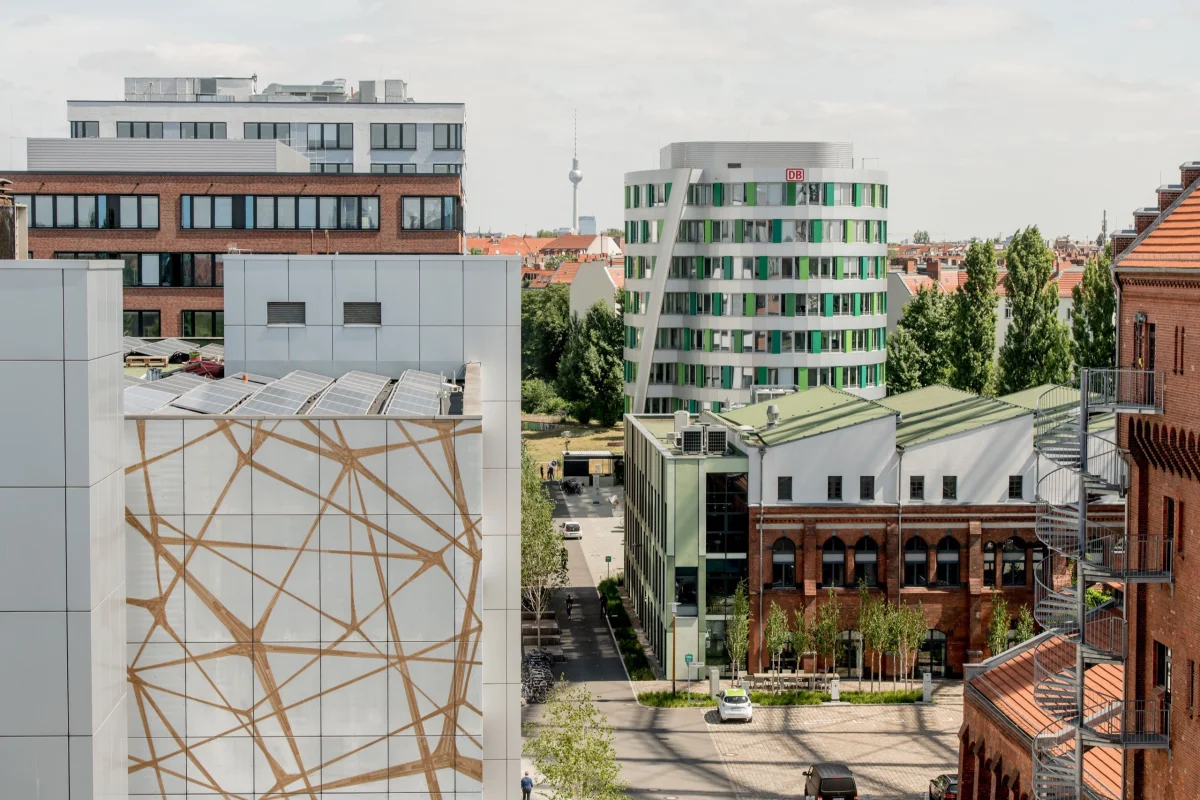
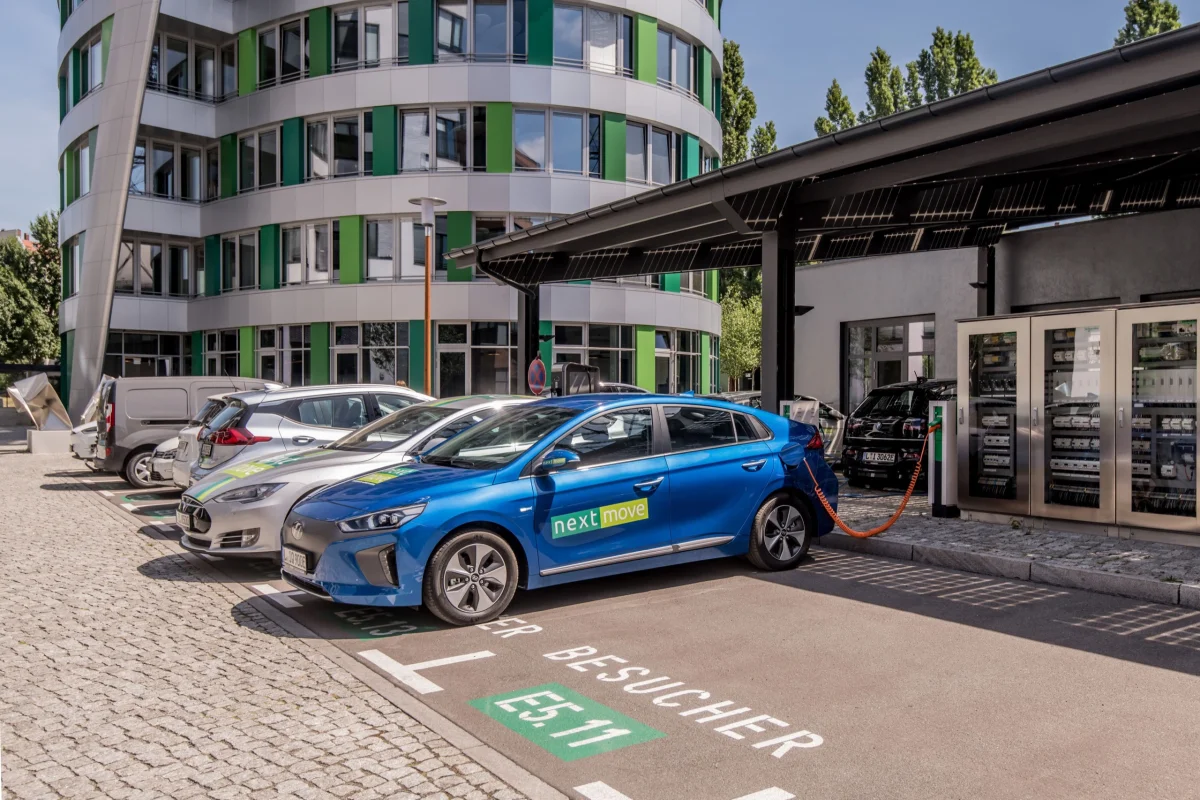
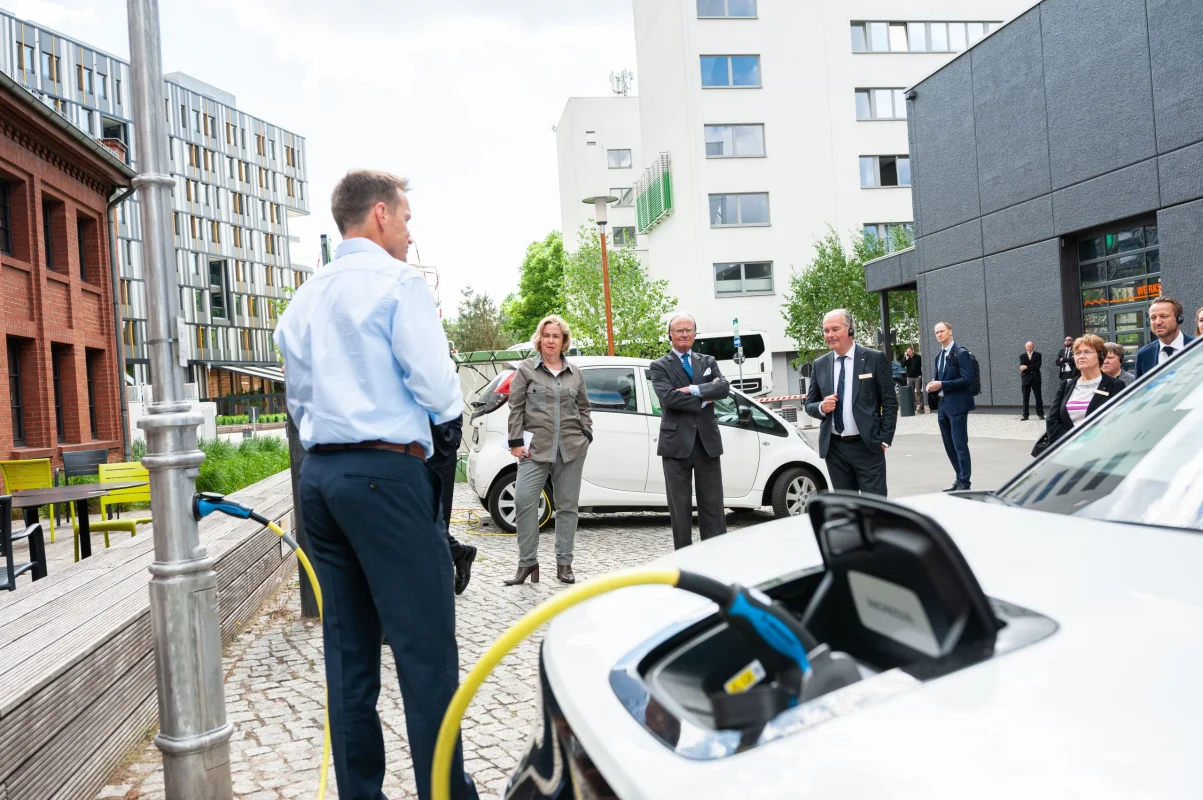
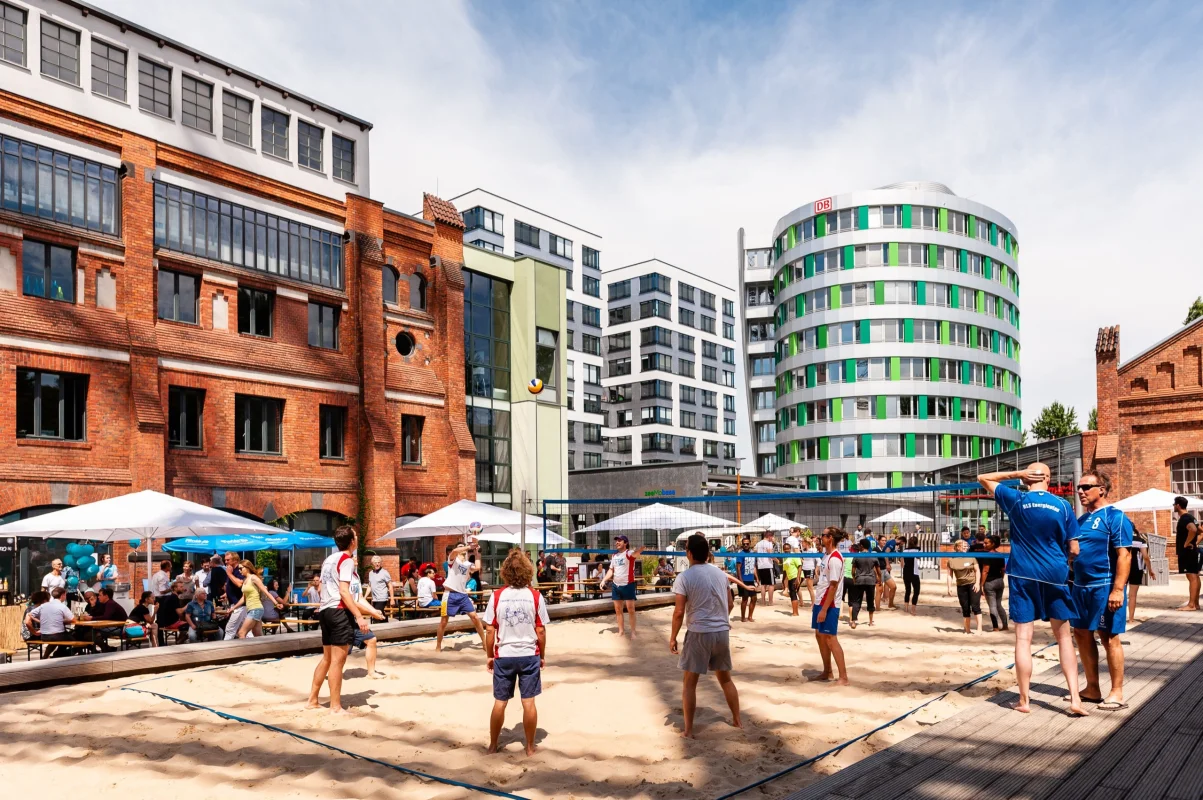
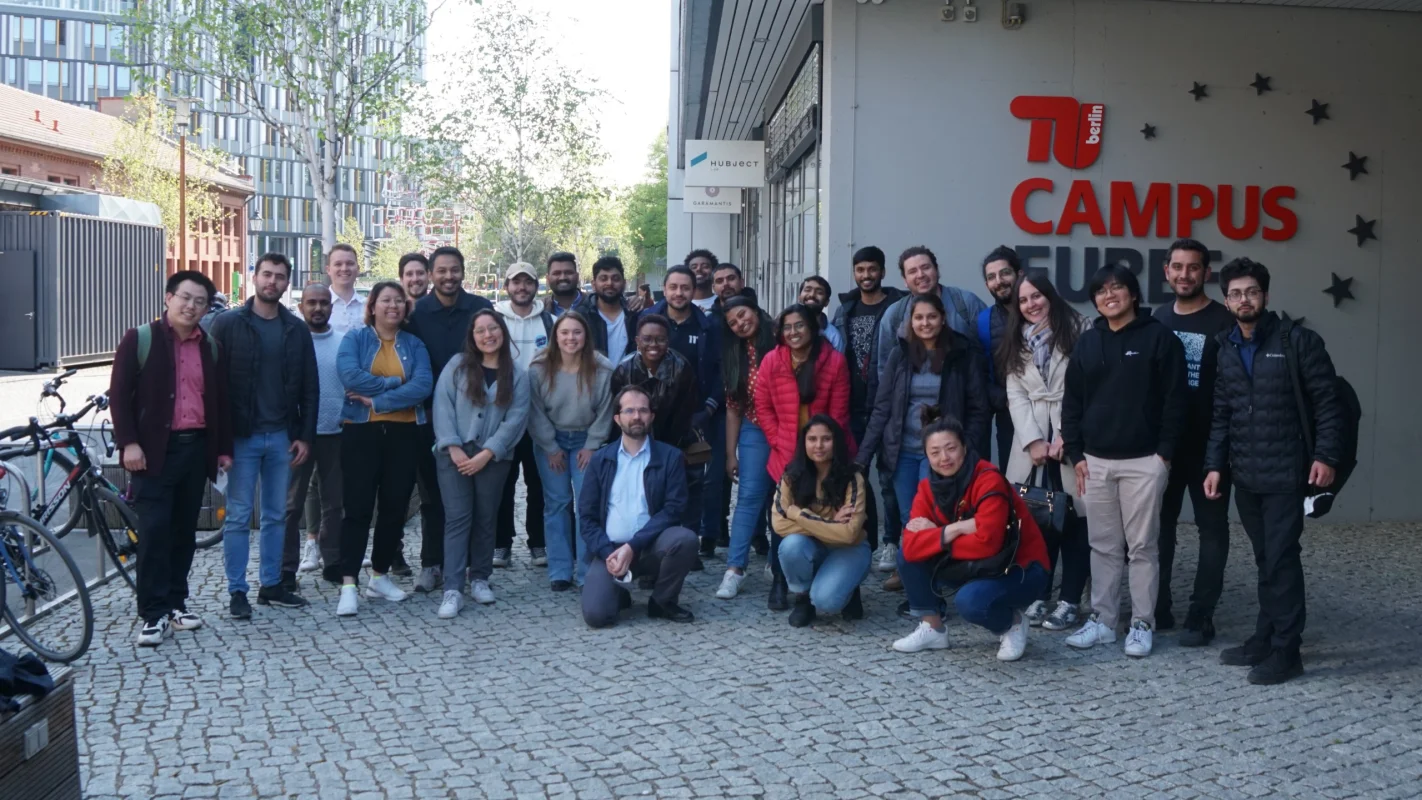
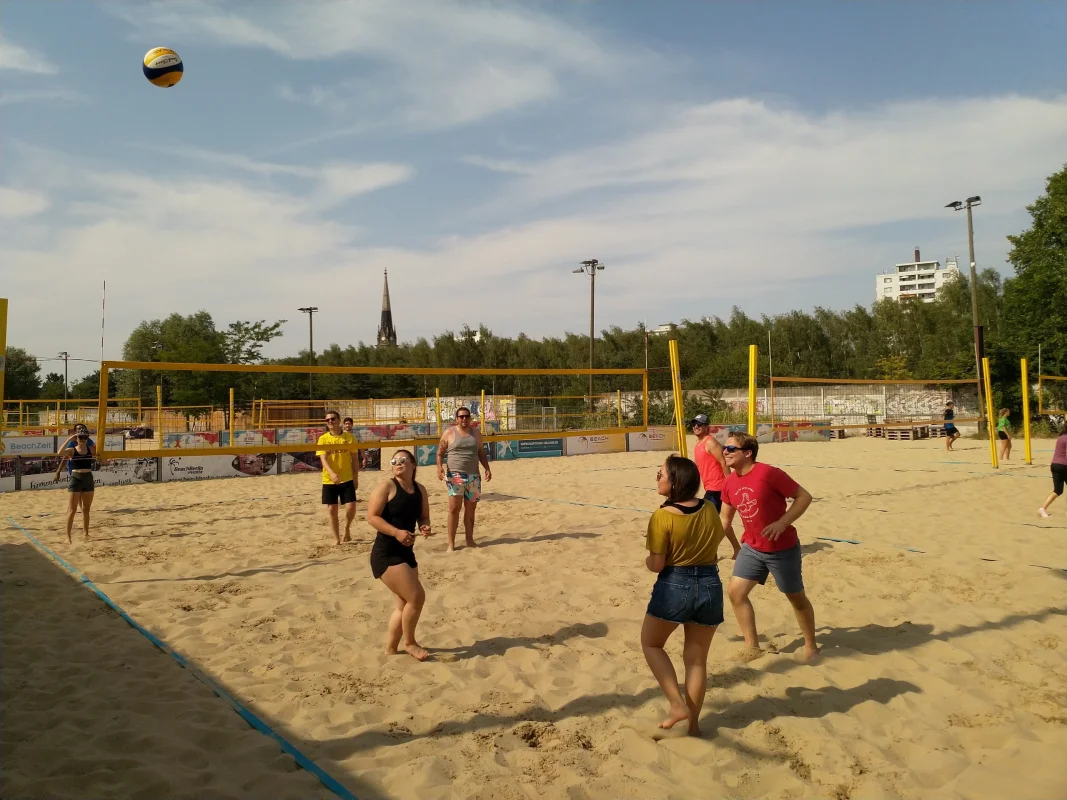
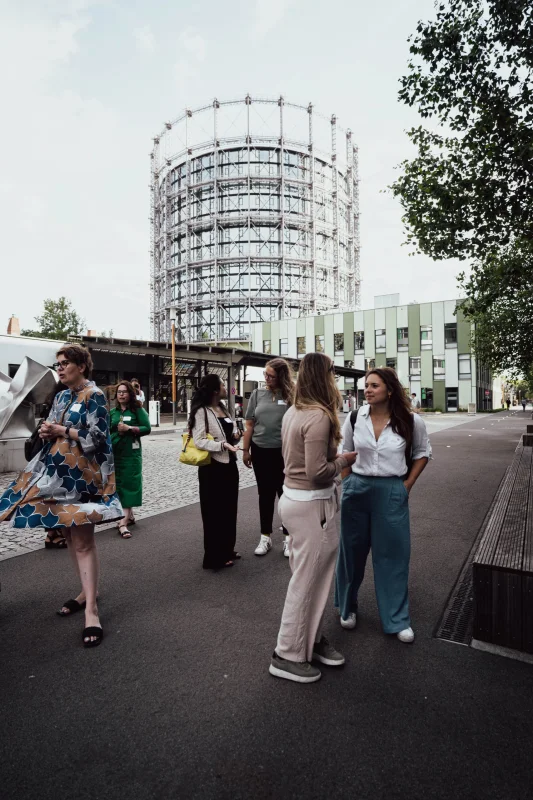
Most courses take place on the EUREF Campus, a hub for energy, mobility, and sustainability, where some students and alumni work alongside innovative start-ups and established companies. The campus fosters a collaborative environment, and students can enjoy free coffee and tea while connecting with peers. For recreation, the campus also features a beach volleyball field and other communal spaces.
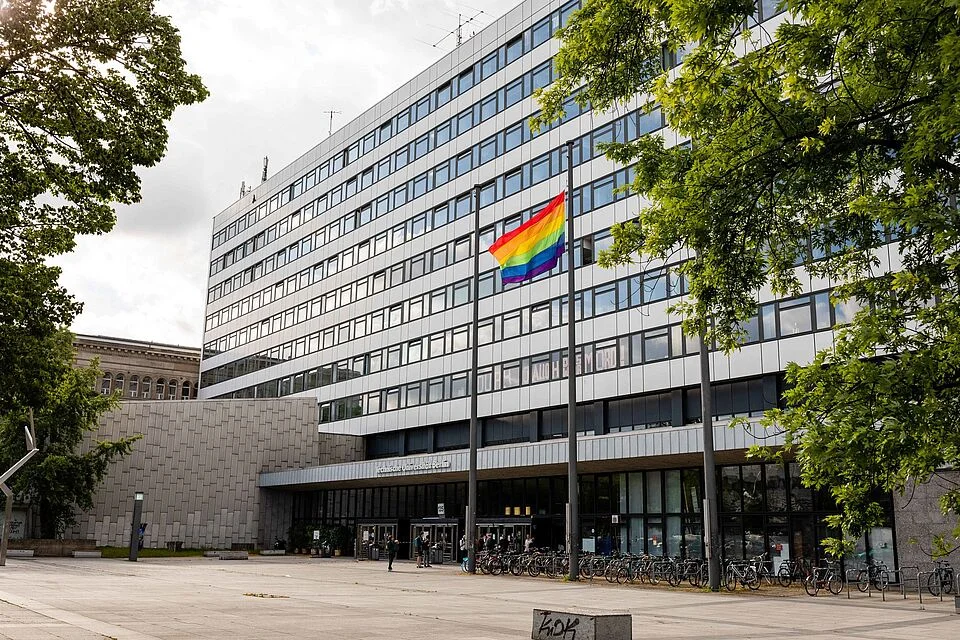
Technische Universität Berlin
At TU Berlin, students have access to modern libraries, study areas, and the Mensa for affordable meals. The university also offers a wide range of sports programs, language courses, and career services to support academic and personal development.
Extracurricular Activities
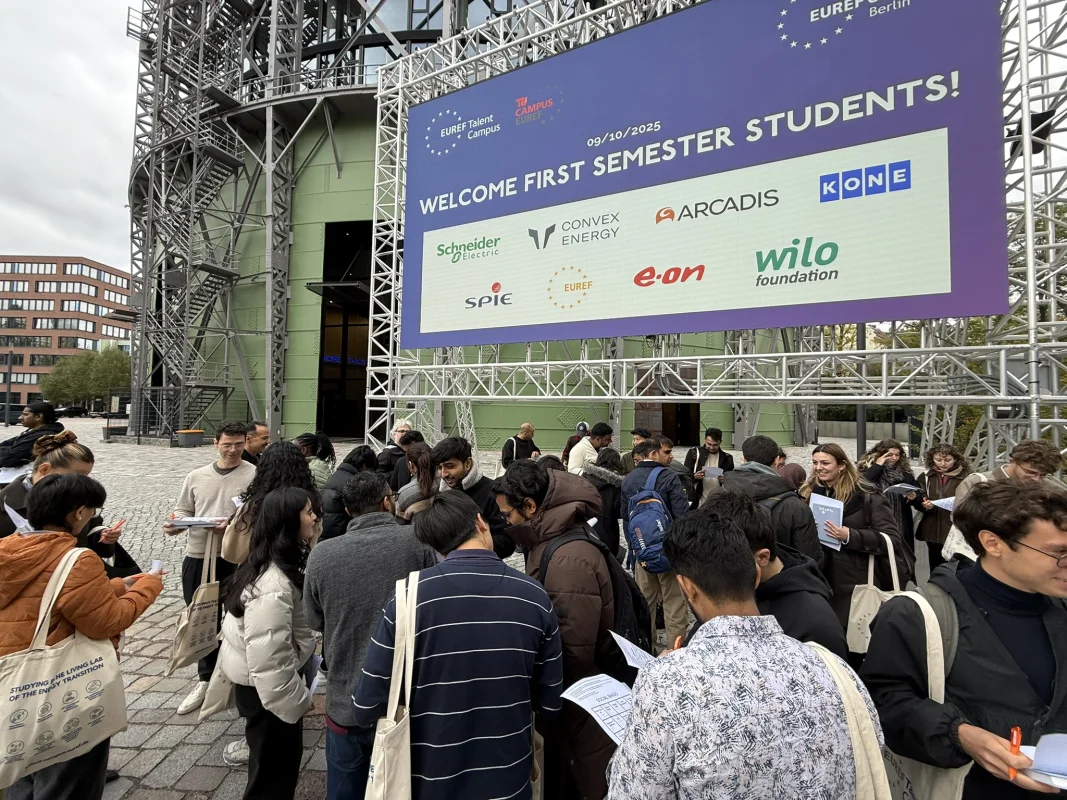
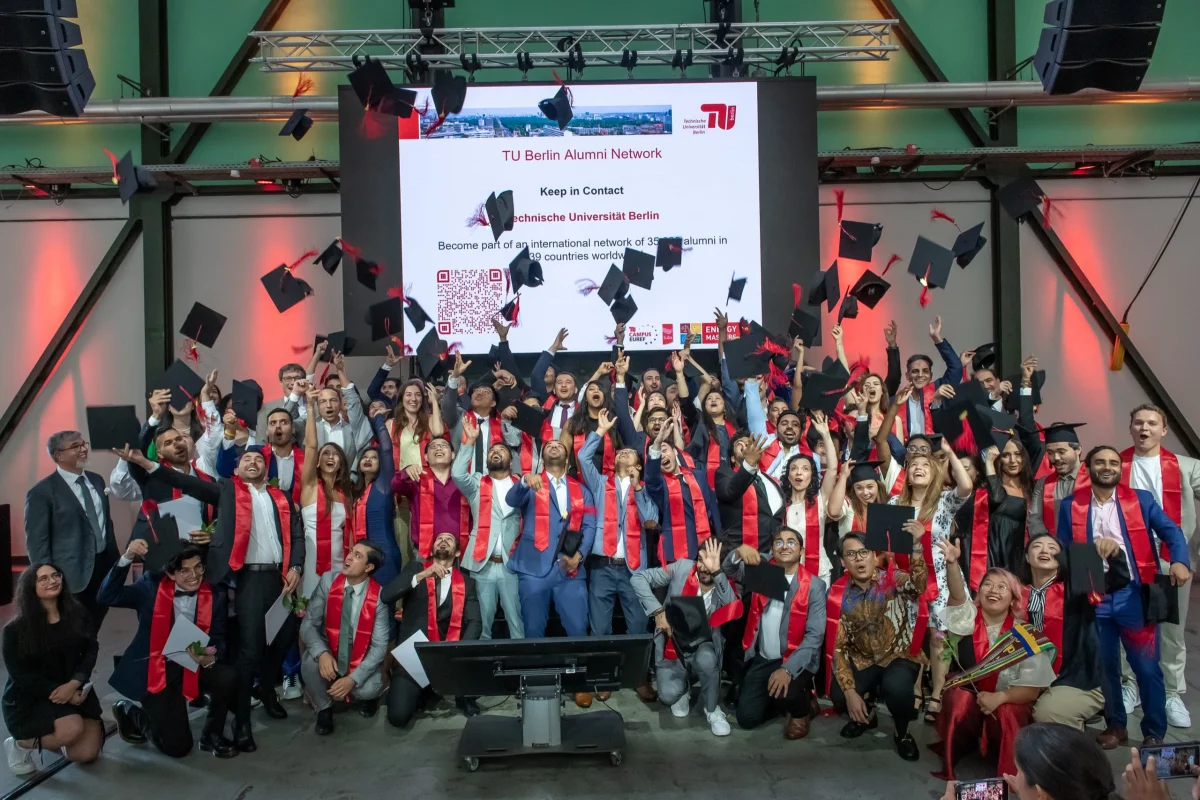
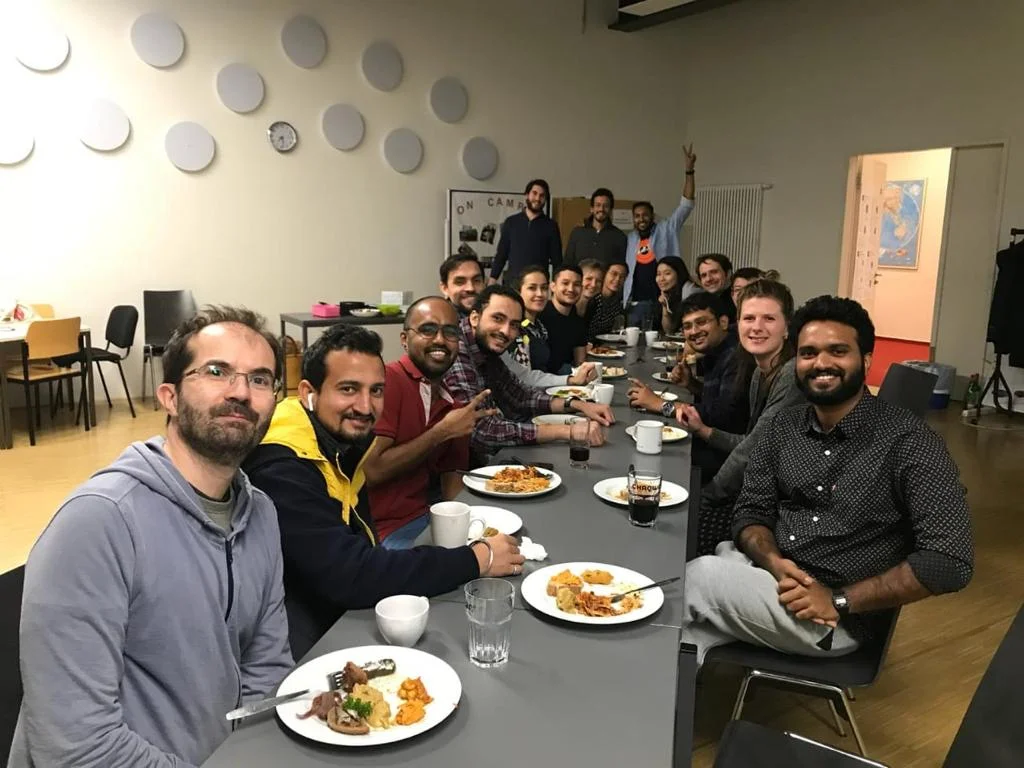
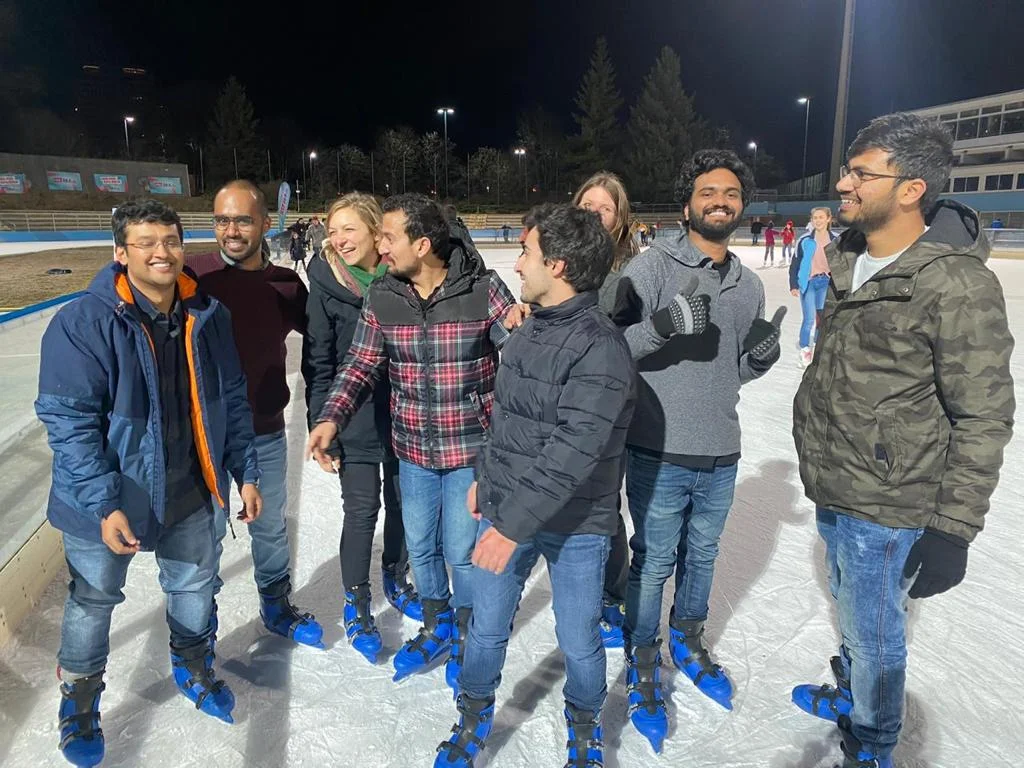
Students are encouraged to take part in a variety of cultural and social events organized by the program, such as the Orientation Week, potlucks, sports activities, and the annual Christmas party, which foster networking and community building. The program concludes with a Graduation Ceremony celebrating students’ achievements and providing a final opportunity to connect with peers, faculty, and alumni. In addition, students can participate in extracurricular challenges, competitions, and hackathons, gaining hands-on experience and connecting with peers across disciplines.
Networking Opportunities and Excursions
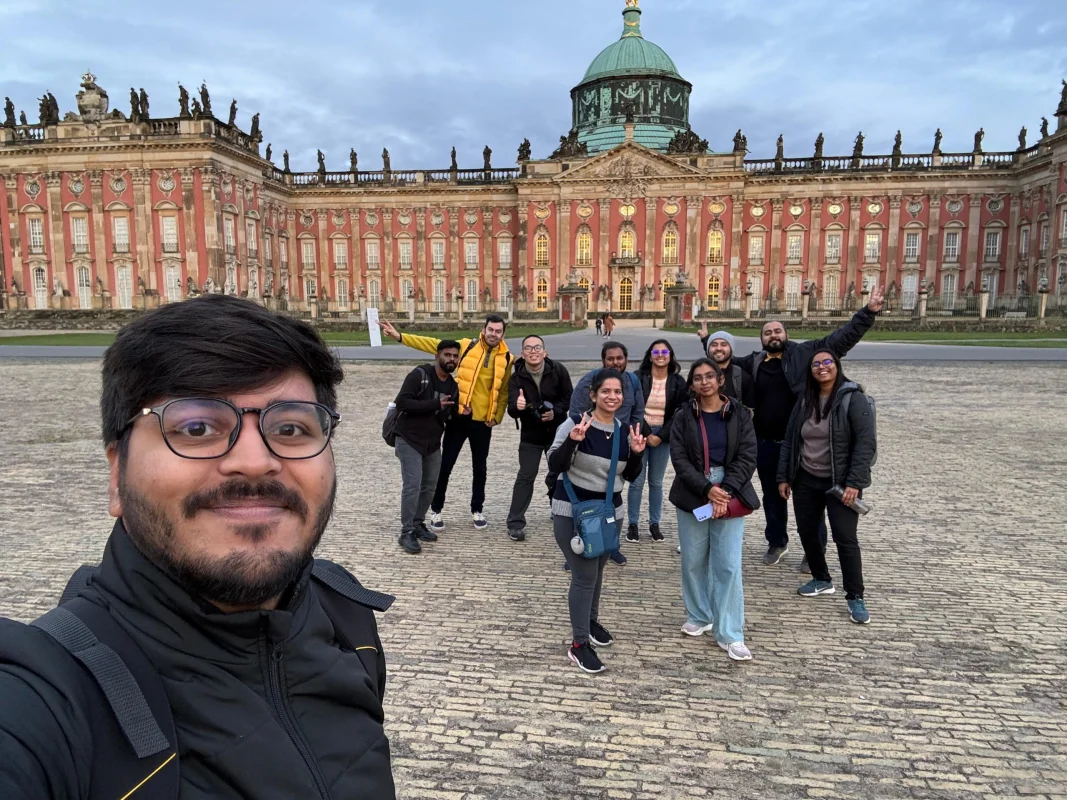
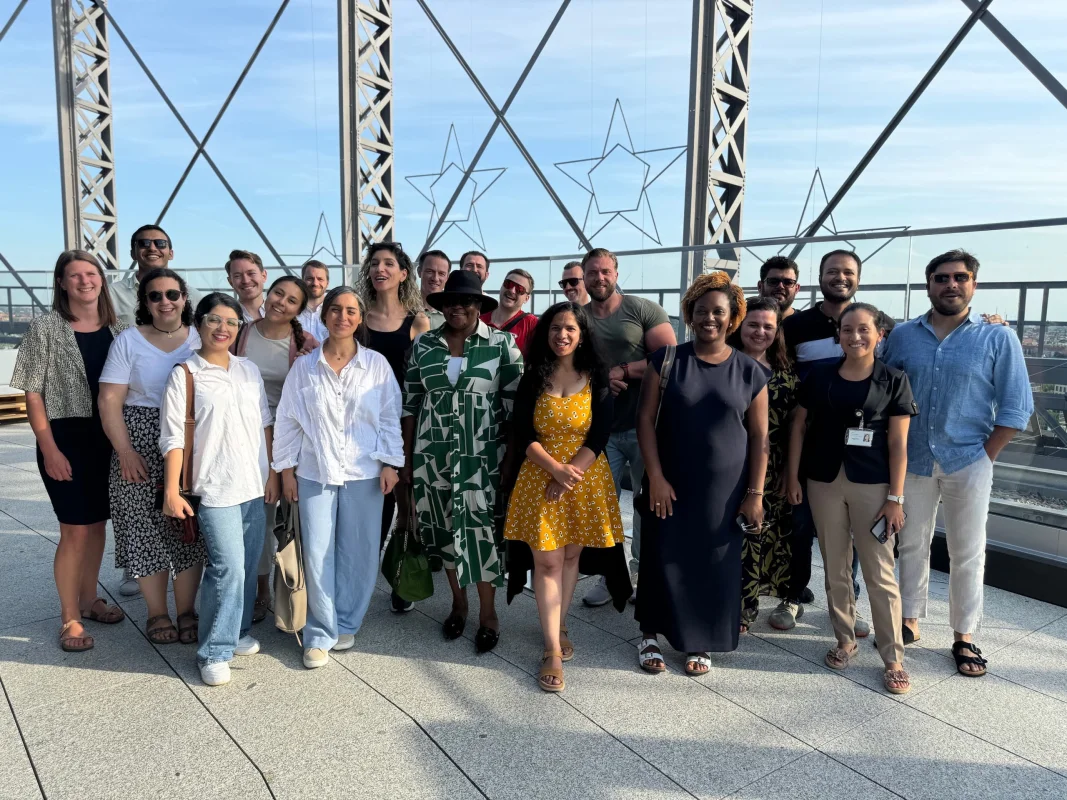
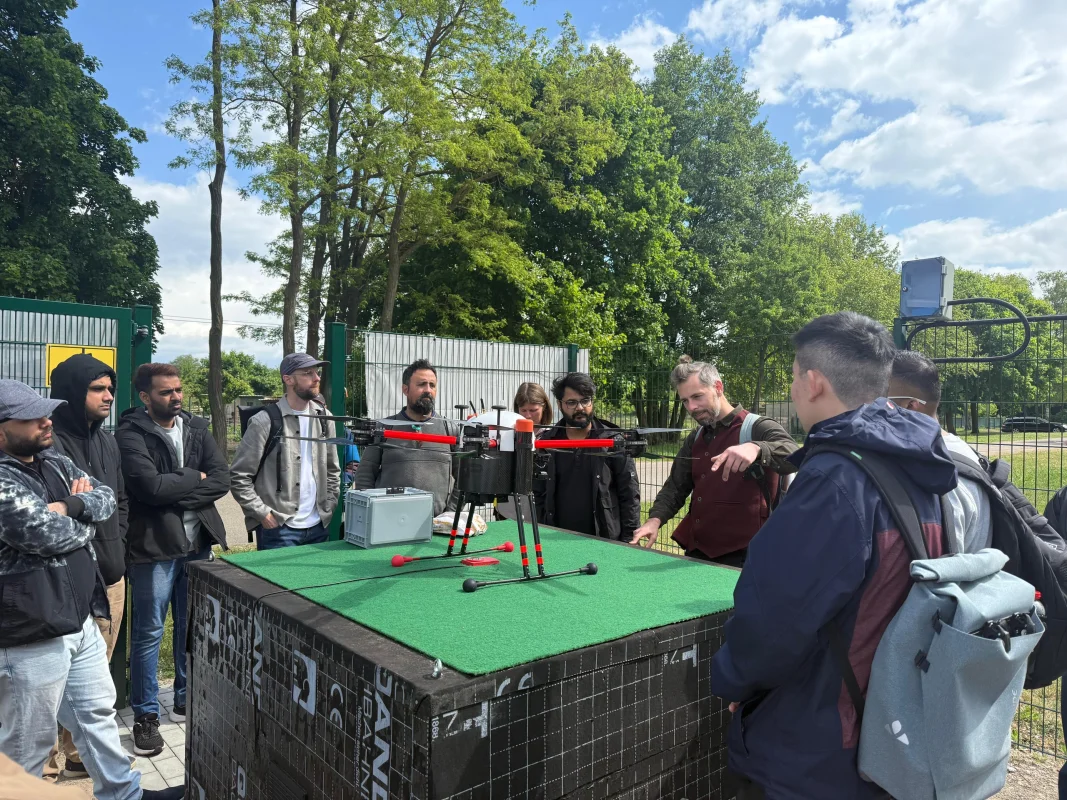
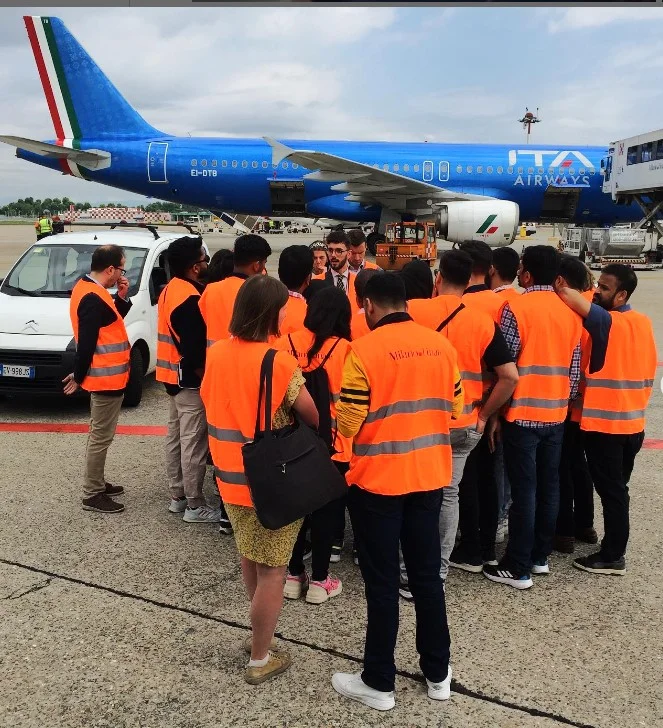
The MBA program offers a variety of opportunities to connect with professionals, peers, and alumni. Students can participate in conferences, the annual alumni meeting, networking events with companies on the EUREF Campus, and excursions to leading organizations. Lecturers from both academia and industry provide insights and connections, while collaboration with students from other MBA programs broadens perspectives and expands professional networks, helping students build valuable connections in the sustainable mobility sector.
International and Interdisciplinary Community
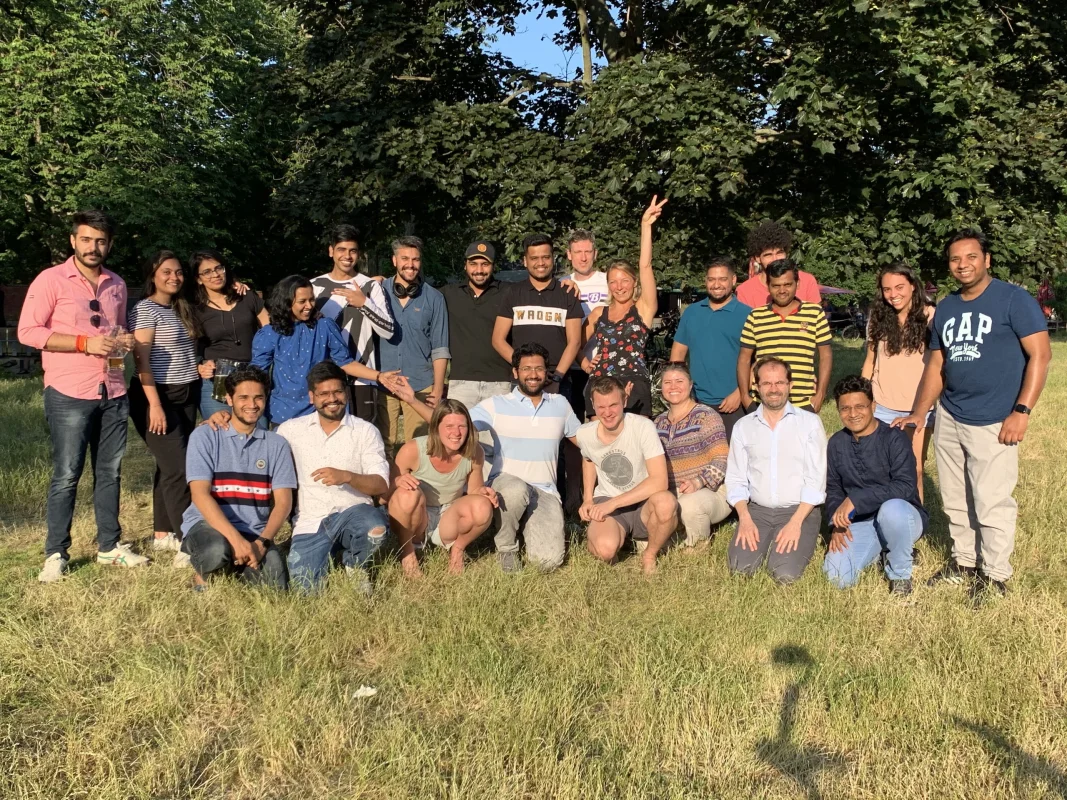
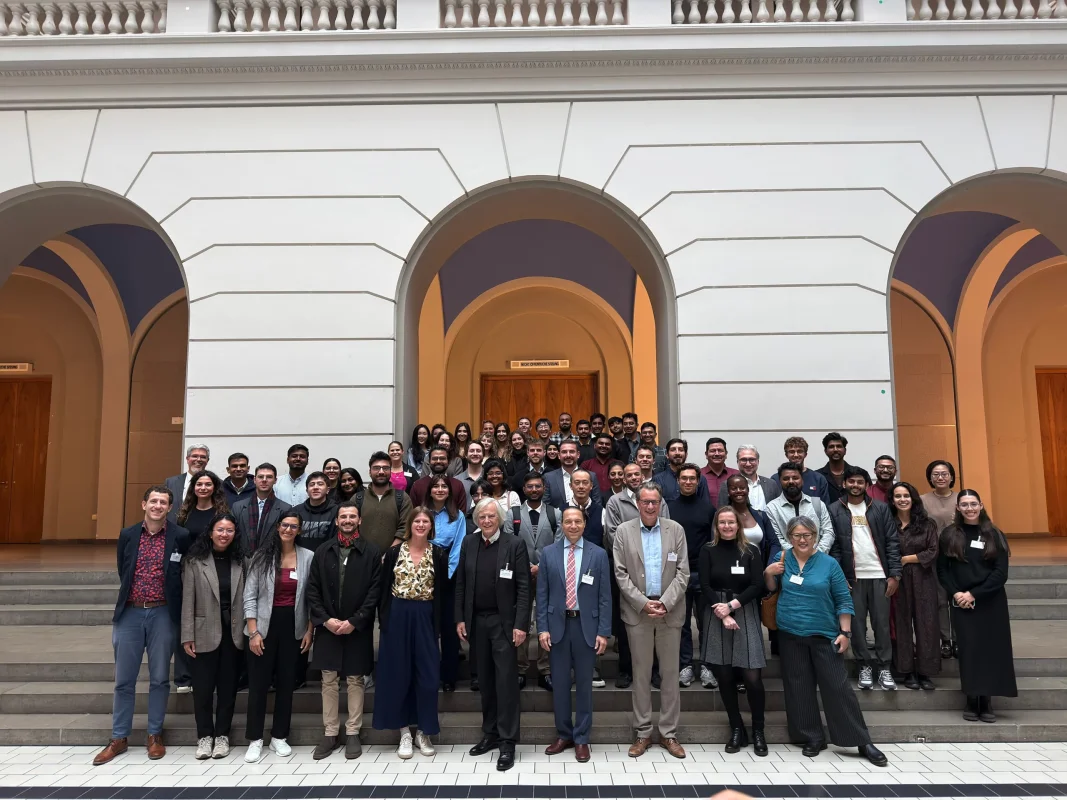
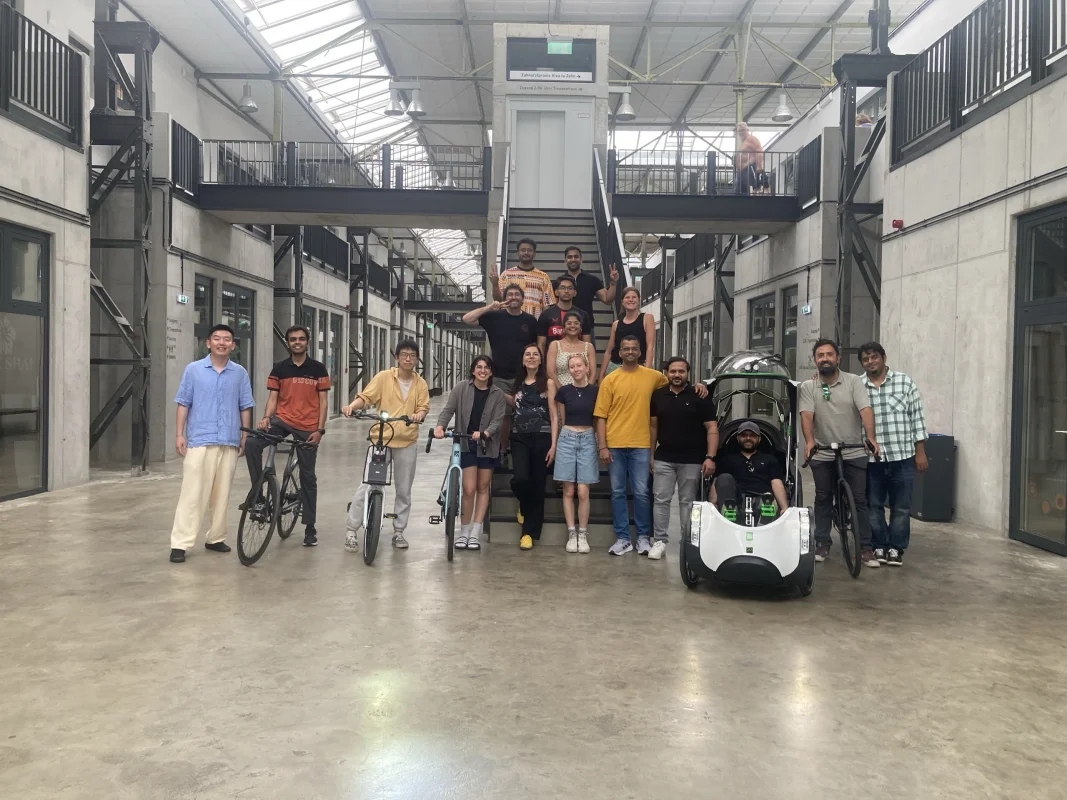
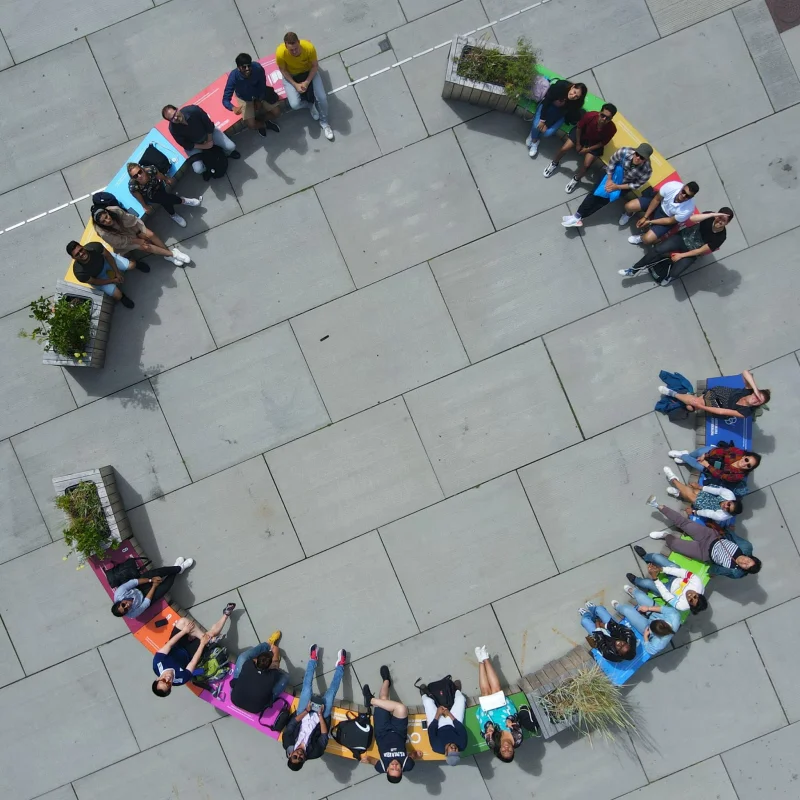
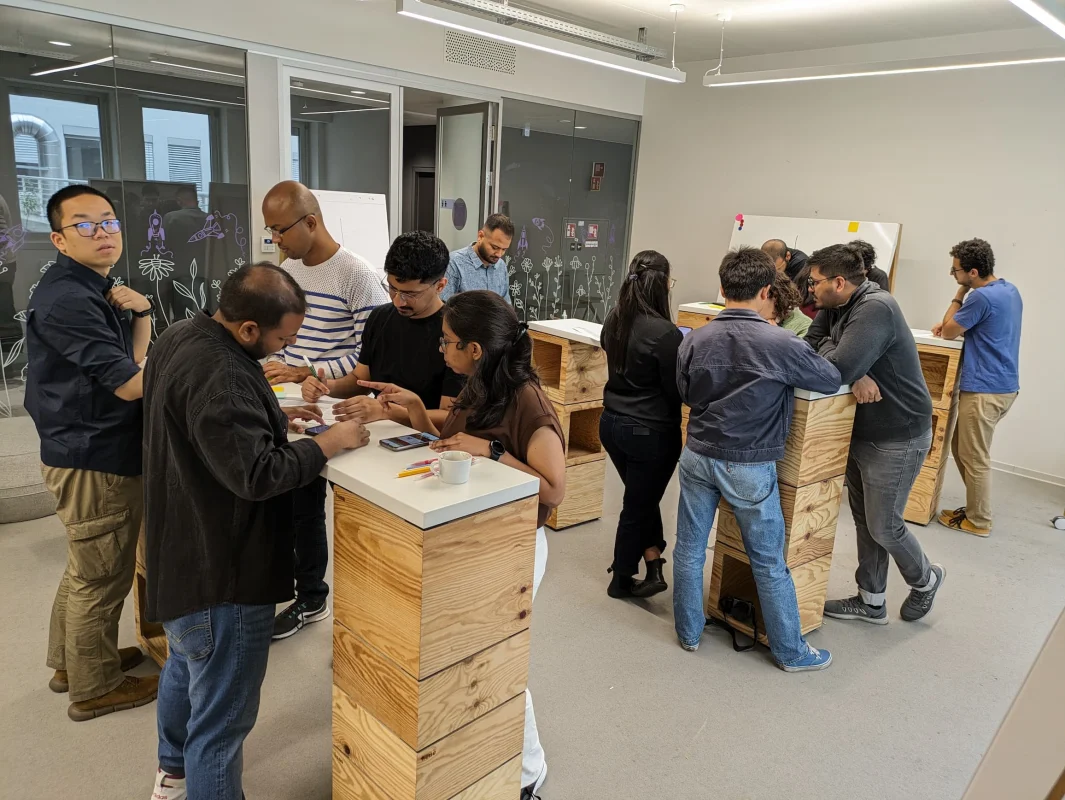
The MBA brings together students from diverse academic, professional, and cultural backgrounds, creating a truly international learning environment. Small, interactive class groups and group projects encourage collaboration and the exchange of ideas across disciplines, fostering interdisciplinary thinking and preparing students to tackle complex challenges in sustainable mobility.
This spirit of community continues beyond graduation through an active alumni network, which connects graduates across the world and supports ongoing professional exchange, mentorship, and career development.
Finance
Fees
The tuition fee for the master’s program is €19,800 (€6,600 per semester), plus the regular TU Berlin administration fee of currently €360.49 per semester. The tuition fee covers all courses and materials and includes the Deutschlandticket for public transport. Please note that tuition fees and the inclusion or exclusion of the public transportation ticket are subject to change. We recommend checking the TU Berlin administration fee page for the most up-to-date information.
Fees can be paid by Flywire.
Financing Your Studies
To cover living expenses during your stay in Berlin, we recommend budgeting €1,200–€1,400 per month.
There are several ways to finance your studies beyond personal savings. You may consider approaching your employer, who might offer sponsorship or arrange a flexible work schedule that allows you to continue earning while studying. Please note that the MBA is a full-time program, and teaching hours can vary from week to week. However, students may request approval to complete the program on a part-time basis.
Scholarships are also a valuable option, particularly for students with strong academic performance or active involvement in social and environmental initiatives.
We encourage students to take on part-time jobs, working student positions, or internships alongside their studies to gain practical experience and build their professional network. You can find English- and German-speaking opportunities in Berlin through various job search platforms. Here are a few to get you started:
Employment Website of TU Berlin
Jobs in Berlin
Indeed
Glassdoor
Scholarships
Check whether your national academic exchange service offers study abroad scholarships, and also explore government-sponsored programs. A focus on sustainability in your studies is highly valued, so we strongly encourage you to apply for scholarships.
Please note that many scholarship deadlines are early, so it’s important to apply as soon as possible. Scholarships are typically aimed at students who demonstrate above-average academic performance, a strong commitment to their studies and active engagement in society or environmental initiatives.
Exclusive Program-Specific Scholarships
SafeDriver Group scholarship
SafeDriver Group provides a scholarship exclusively for the Sustainable Mobility Management program. The scholarship offers partial tuition fee coverage and includes a paid internship throughout all three semesters. Learn more.
Changemaker scholarship
The TSH Talent Foundation supports students through accommodation, personal development activities, and access to a strong network. To be eligible, you must already have a tuition fee waiver from another company, organization, or government body.
More information is available on their website. Further details regarding the scholarship application will be provided in the admission letter.
How to Apply
You can apply for the scholarships directly through our application portal as part of the program application process.
General Scholarships
You can explore the following platforms to find suitable scholarship opportunities:
German scholarships for international students
Publicly funded scholarships for international students
For these Scholarships, you will get 300€ per month and depending on your financial situation up to 720€ additionally.
- Deutschlandstipendium
This public grant consist only of 300€, but is given at a larger number of students! Application are from mid-June to mid-July. - Rosa-Luxemburg Stiftung
Foundation of the radical left-wing German party. They have a specific scholarship program for international Students. Applications deadline are on the first of April and the first of October. - Heinrich Böll Foundation scholarship
German and international students can apply. International applicants are eligible for funding for a Master's degree in Germany, particularly those who completed their Bachelor's degree in their home country.
Publicly funded scholarships for international students with C1 (or equivalent) German level
For these Scholarships, you will get 300€ per month and depending on your financial situation up to 720€ additionally.
- Friedrich Ebert Stiftung
Foundation of the social Democratic Party, 40 Students from the global south are accepted yearly. The application is possible until the beginning of the masters, the deadline being the end of November. - Stiftung der deutschen Wirtschaft
Scholarship of the German employers organization, Application period is in April and in October. - Cusanuswerk
Scholarship of the German episcope, only for person of Christian belief. Application deadline is the first of august - ESW
Scholarships of the protestant church of Germany, not restricted to protestant believers. Application deadline is the first of march. - DAAD Study Scholarships – Master Studies for All Academic Disciplines
Monthly allowance of 850€, health insurance cost and travel costs are included, as well as other aids.
Scholarschip from private NGOs and foundations for international students
- Care Concept Stiftung
- Ferdinand und Charlotte Schimmelpfennig Stiftung
Private NGO financially supporting students in Berlin under 30 years old who are in financial need. - SBW Berlin
Scholarship for foreign students to study in Berlin, emphasis on the social engagement and commitment of the students - KAAD
Academic catholic exchange organization, scholarships for students from Africa, South America, and the Middle East. Open solely to catholic students who are ready to attend a paid German course.
German Scholarships for European Students
Scholarships from foundations for European Students
For these Scholarships, you will get 300€ per month and depending on your financial situation up to 720€ additionally.
- Hans Böckler Stiftung
for EU residents of the major German Workers Union. Application for the Sommersemester are from November until January. - Friedrich Naumann Stiftung
For non-EU Students
Foundation of the liberal German Party. Application period is in April and in October. - Studienstiftung
Public grant for excellent students, only for EU residents.
Regional or Country-specific Scholarships