Sustainable Mobility Management
Master of Business Administration
Overview
- Credits90 ECTS
- LanguageEnglish
- Program startsOct 2026
- Tuition fees€19,800
MBA Program
The international MBA in Sustainable Mobility Management at Technische Universität Berlin trains the next generation of mobility experts who are ready to take responsibility in an increasingly interconnected and sustainability-oriented world.
The program is aimed at individuals who are passionate about future-oriented mobility solutions and who want to prepare specifically for responsible tasks and strategic roles in this dynamic sector. Unlike traditional MBA programs, this degree combines solid management knowledge with a clear specialization in sustainable mobility.
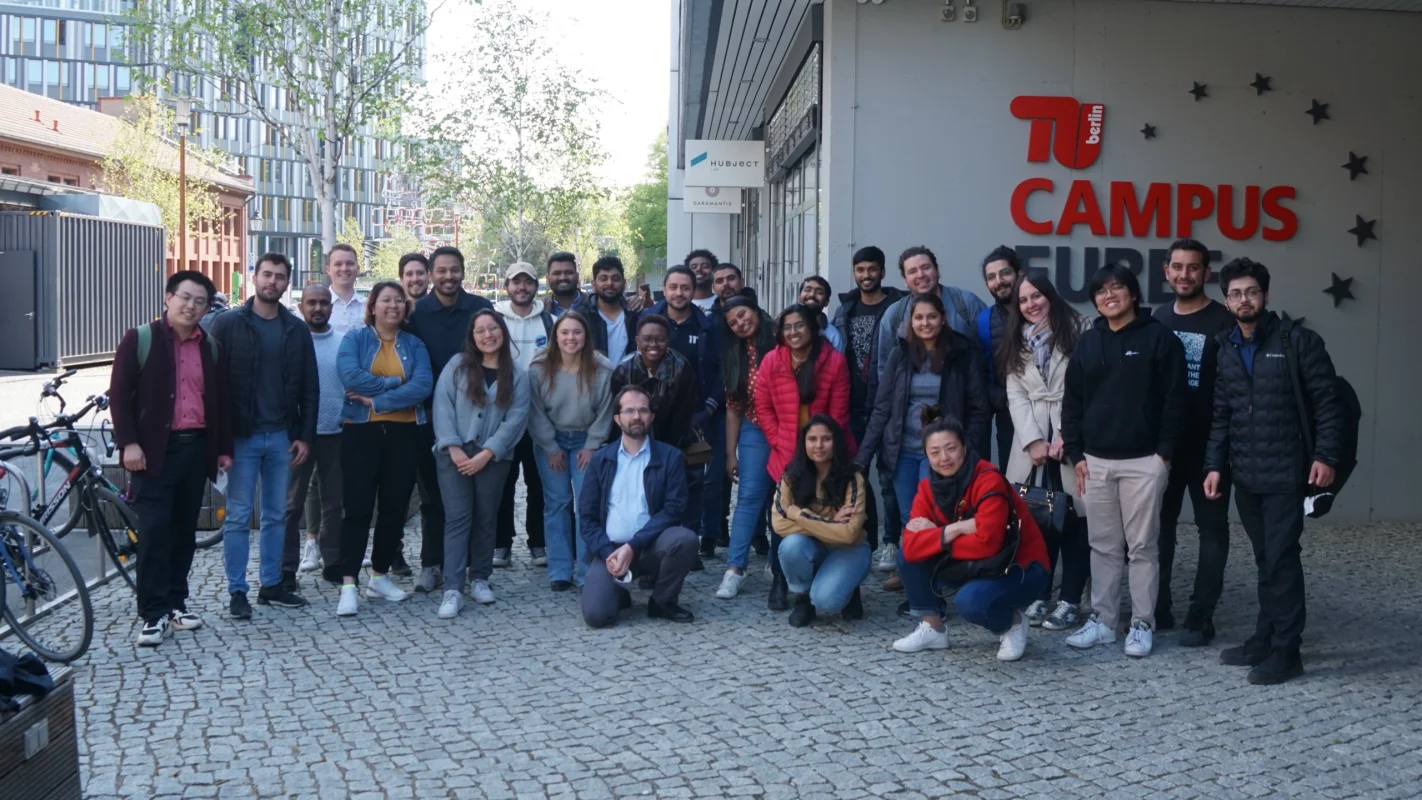
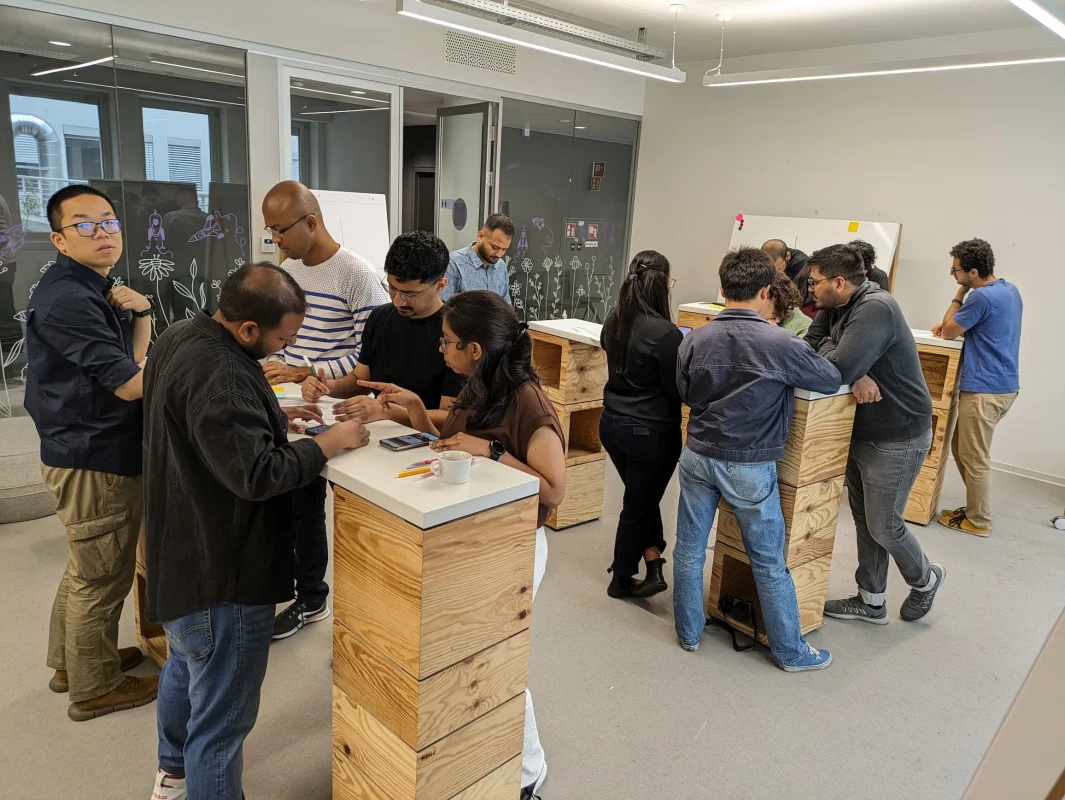
The MBA program is intended for an international and diverse audience: learning and studying in small groups of up to 30 students ensures excellent and tailored learning conditions. Courses take place on the EUREF Campus in Berlin – a vibrant hub for energy, mobility, and innovation. The interactive and international learning environment promotes practical experience and interdisciplinary thinking through case studies, excursions, and networking events with industry experts and professionals.
Graduates qualify for responsible positions in companies, organizations, and the public sector – worldwide and with a clear focus on the mobility of tomorrow.
Key Facts about the Mobility Management MBA
- Degree Master of Business Administration
- ECTS credits 90 points
- Language English
- Program starts Oct 2026
- Application deadline 31. March 2026
- Tuition fees €19,800
- Duration 3 semesters
Not ready to pursue the full MBA? Selected parts of the Sustainable Mobility Management program are also available through flexible study formats, allowing you to develop specialized expertise or experience studying at TU Berlin without enrolling in the full degree.
Semester Abroad
Spend one semester in Berlin and take selected MBA courses, gaining specialized knowledge and an international study experience at TU Berlin.
Certificate Modules
Take individual MBA modules for focused professional development, deepen your expertise in sustainable mobility, and earn ECTS credits from TU Berlin.
Explore current options and application requirements on DreamApply or contact us at contact@mobility.tu-berlin.de.
The MBA in Sustainable Mobility Management equips future leaders with the knowledge and skills to shape the transformation of global mobility systems. The program’s goals are to:
Gain deep sectoral expertise in mobility and sustainability
Develop an interdisciplinary understanding of the mobility sector – from technologies, regulations, and policies to business models and financing. Students also explore the social dimensions of mobility, including user behavior, accessibility, and inclusion, as well as emerging trends and innovations shaping the future of sustainable transport and urban mobility.
Foster strategic and innovative thinking
Strengthen the ability to design forward-looking solutions and navigate transformation processes within the mobility transition. The program encourages creativity, critical thinking, and a holistic approach to solving real-world challenges.
Develop strong management and professional competencies
Strengthen skills in project and change management, teamwork, and effective communication within international and interdisciplinary settings. Students enhance their analytical and research abilities to address complex mobility challenges.
Quality Assurance
Part of sustainability is quality management. Quality should not be left to chance, but should be the result of a continuous improvement process. TU Berlin has moved its focus from the accreditation of individual study programmes to the evaluation of the university as a system. The university’s quality assurance procedures are designed so that all stakeholders may develop responsibly and in dialogue with one another. System accreditation therefore leads to the accreditation of all study programmes offered by the university.
The subject of system accreditation is the internal quality assurance system of a university in the domain of teaching and learning. The structures and processes relevant for teaching and studies are examined to ensure that they achieve the qualification objectives and the required academic quality. The framework follows the requirements of the Kultusministerkonferenz (KMK), the European Standards and Guidelines for Quality Assurance in Higher Education (ESG), and the criteria of the Akkreditierungsrat (German Accreditation Council).
A positive system accreditation certifies that the university’s quality assurance system in teaching and learning is suitable for ensuring the achievement of qualification objectives and the quality standards of degree programmes. Degree programmes that are designed and managed under the specifications of the accredited system are thus accredited. (Own translation after Akkreditierungsrat, 20 February 2013.)
TU Berlin’s system accreditation by the Zentrale Evaluations‐ und Akkreditierungsagentur (ZEvA) was confirmedfor a period of six years following a positive review in July 2021 by the Central Evaluation and Accreditation Agency (ZEvA).
Sustainable Mobility Management (MBA) is included within this accreditation framework and is currently in its final phase of certification.
Further information: Systemakkreditierung TU Berlin
Sustainability and Mobility Expertise
Understanding the complexities of sustainable mobility is essential for shaping the transport systems of tomorrow. The MBA program provides students with the interdisciplinary knowledge and practical insights needed to analyze, design, and implement sustainable mobility solutions across urban, regional, and global contexts.
- Mobility trends and scenarios – Assessing current and future developments in transportation and mobility systems
- Mobility behavior and social perspectives – Understanding user behavior, accessibility, inclusion, and societal impacts
- Governance and policy analysis – Gaining insights into regulations, policies, and institutional frameworks that shape sustainable mobility
- Technology and innovation – Exploring emerging mobility technologies, digital tools, and smart transport solutions
- Logistics and freight management – Optimizing the movement of goods in sustainable and efficient ways
- Urban and transport planning – Designing integrated transport systems that balance environmental, social, and economic needs
Innovation and Management Skills
The transition toward sustainable mobility requires professionals who can think creatively while managing complex projects and organizational change. The MBA program equips students with the tools and methods to design innovative solutions, manage transformation processes, and develop sustainable business strategies in a rapidly evolving sector.
- Project management – Planning, executing, and evaluating complex projects in interdisciplinary contexts
- Business model development – Designing and refining innovative, future-oriented business concepts for the mobility sector
- Project financing and business planning – Assessing budgets, investment opportunities, and financial feasibility
- Design thinking methods – Applying user-centered and creative approaches to problem-solving and innovation
- Stakeholder management – Identifying, engaging, and balancing the needs of diverse interest groups
- Transformation management – Leading organizational change and implementing sustainability-driven initiatives
- Sustainability and systems thinking – Integrating environmental, economic, and social perspectives into innovation and management decisions
Communication and Collaborative Skills
Effective communication and collaboration are essential management competencies in today’s global and interdisciplinary business environment. The MBA program strengthens students’ ability to exchange ideas across cultures, manage diverse teams, and build strong professional relationships – key foundations for driving sustainable mobility projects and organizational success.
- Presentation and persuasion – Delivering clear, impactful, and audience-tailored messages in academic and professional contexts
- Intercultural communication – Navigating cultural differences and communicating effectively in international settings
- Conflict and stakeholder management – Facilitating dialogue, resolving disagreements, and aligning diverse interests
- Professional networking – Building and maintaining connections with industry leaders, peers, and organizations
Research and Analytical Skills
A strong analytical foundation enables students to make informed, evidence-based decisions in a complex and data-driven mobility landscape. The MBA program fosters the ability to think critically, work with diverse sources of information, and communicate findings in a clear, structured, and academic manner.
- Information literacy – Locating, interpreting, and integrating complex information from interdisciplinary sources
- Academic writing and research methodology – Conducting independent research and presenting findings in a professional format
- Evidence-based decision-making – Applying analytical insights to strategic and business contexts
- Critical thinking and data analysis – Evaluating information, identifying trends, and drawing sound conclusions
- Problem-solving and evaluation – Assessing project outcomes and proposing improvements based on data and research
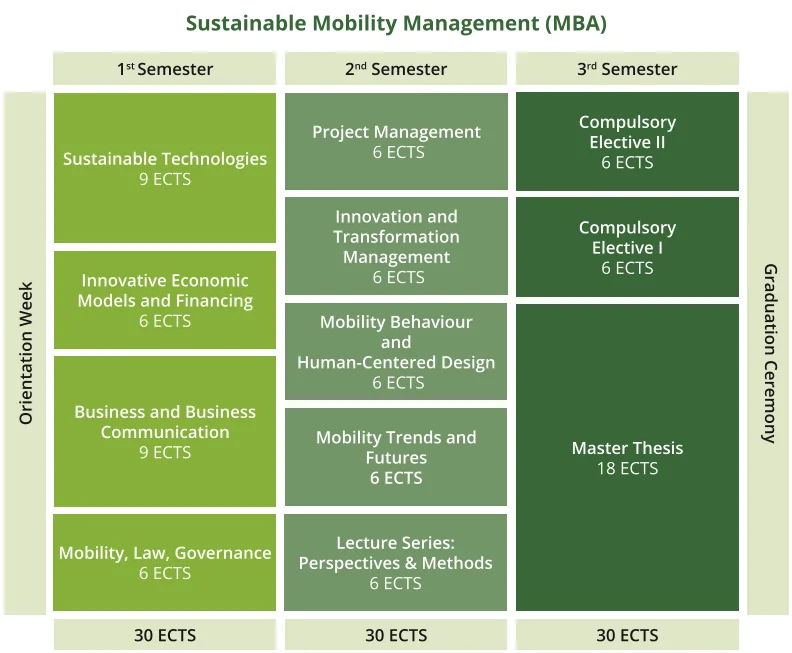
The MBA program is taught over a period of three semesters with a program start in October.
In the first semester, students build a broad foundation in sustainable mobility by exploring its technological, economic, legal, and business dimensions. The curriculum introduces sustainable technologies, circular economy principles, and ethical financial decision-making while strengthening communication and collaboration skills in diverse professional contexts. Students also gain an understanding of mobility systems and the legal, policy, and governance frameworks that drive the sustainable transformation of the transport sector.
In the second semester, students deepen their expertise in sustainable mobility by exploring emerging trends, scenario development, and mobility behavior as part of the transformation of transport systems. They learn to plan and implement projects effectively, manage financial resources, and apply innovation and change management methods to drive organizational transformation. The semester equips students with research, analytical, and project management skills to understand and shape sustainable mobility solutions in practice.
In the third semester, students focus on specialization through two elective courses, selecting topics that align with their personal interests and career goals. Electives can be chosen from the Sustainable Mobility Management MBA program or from related MBA programs in Energy Management or Building Sustainability. Students can define their own Master’s thesis topic and have the option to complete it in collaboration with a company.
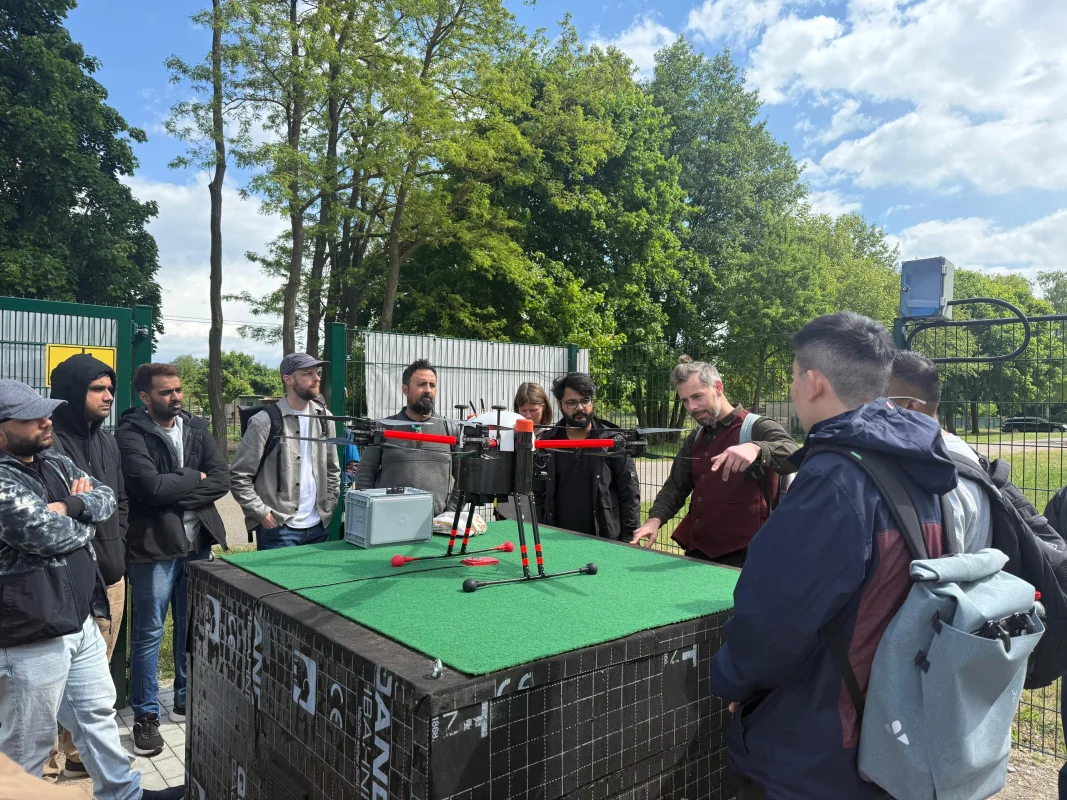
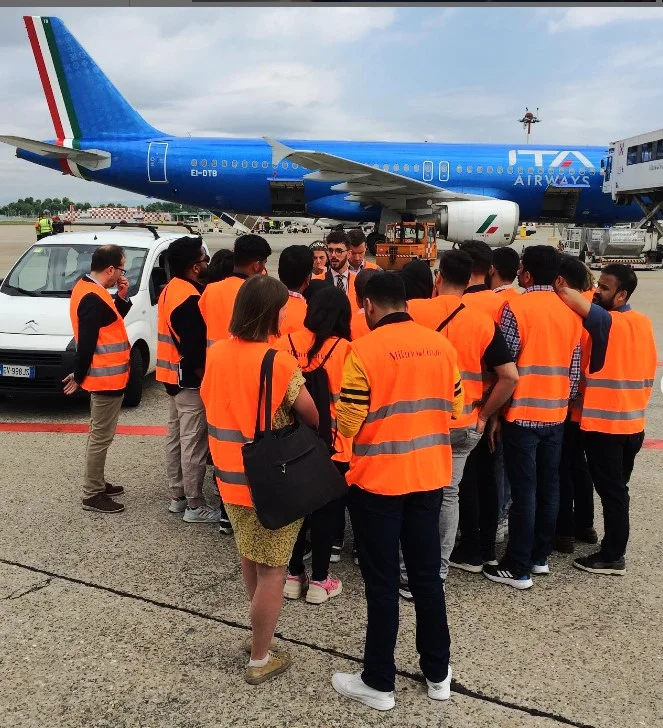
The MBA combines a variety of interactive and practical methods, including lectures, seminars, case studies, and excursions. Classroom discussions are complemented by company visits, networking events, conferences, and opportunities to meet industry professionals and alumni.
The MBA encourages students to undertake internships with both established companies and start-ups. The semester breaks provide time for these practical experiences, allowing students to apply their learning in real-world settings.
Program structure
Examination formats vary throughout the MBA, including multiple-choice tests, written exams, presentations, academic papers, reports, brochures, and group projects, ensuring a diverse and practical assessment of students’ knowledge and skills.
All study and examination procedures of the Sustainable Mobility Management (MBA) are governed by the General Study and Examination Regulations (Allgemeine Studien- und Prüfungsordnung – AllgStuPO) of Technische Universität Berlin.
The General Study and Examination Regulations contain the overarching rules and procedures that apply to all degree programs at TU Berlin. These cover topics such as enrollment, re-registration, part-time studies, leave of absence, termination of studies, and examination procedures.
In addition, each program is governed by its own study and examination regulations (Studien- und Prüfungsordnung – StuPO), which define the specific structure, curriculum, assessment methods, and requirements for the master’s thesis.
There are also supplementary application and admission regulations (Zulassungs- und Zugangsordnung – ZZO) for master’s programs, which describe the requirements and procedures for admission to each program.
The legal foundation for these regulations is provided by the Berlin Higher Education Act (Berliner Hochschulgesetz – BerlHG), which establishes the framework for all universities in Berlin. The BerlHG ensures the quality and comparability of study programs, guarantees academic freedom, and regulates key aspects such as admission, examinations, student rights, and degree recognition.
Together, these frameworks ensure that the Sustainable Mobility Management MBA meets the high academic standards of TU Berlin and the requirements of the State of Berlin, providing transparency, fairness, and quality in all aspects of study and examination.
The application and admission regulations, as well as the study and examination regulations, can be found in the downloads section. Please note that the German versions of all official regulations are legally binding. English translations are provided for informational purposes only.
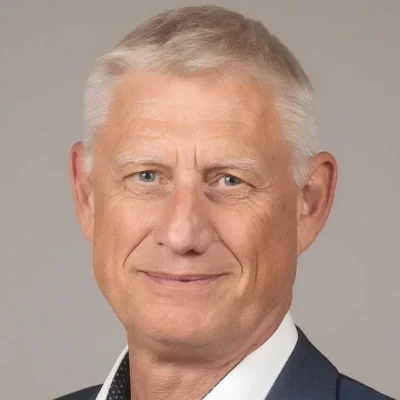
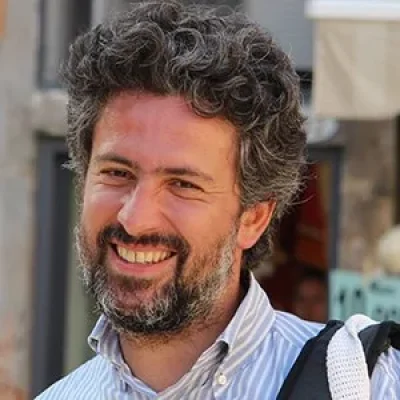
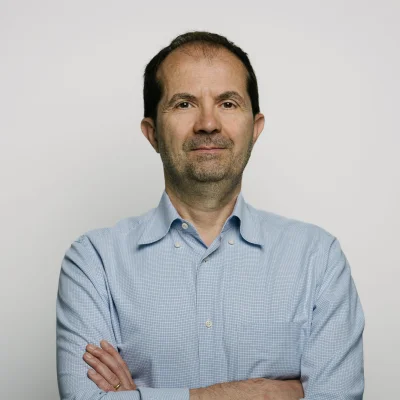
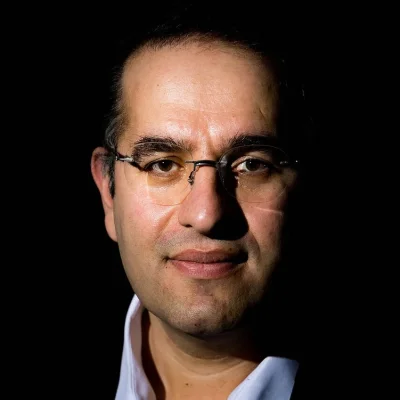
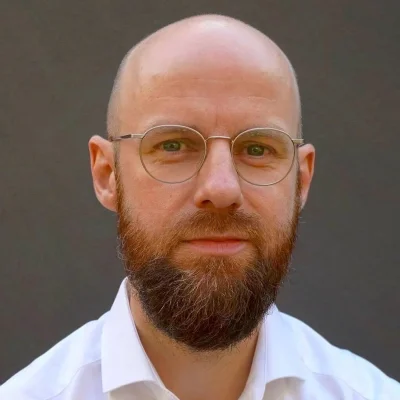
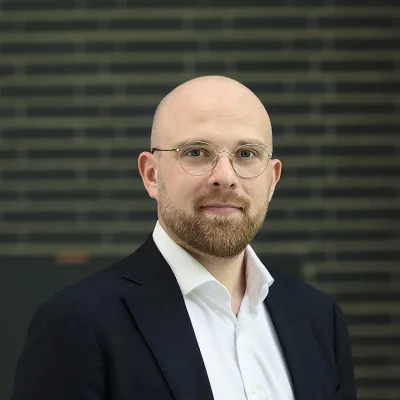
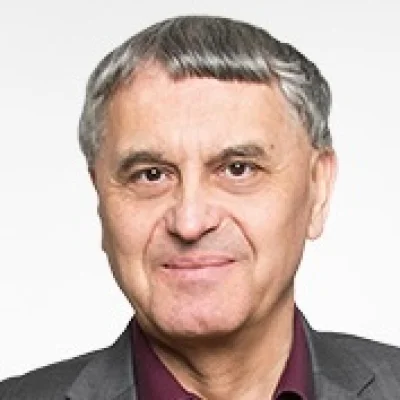
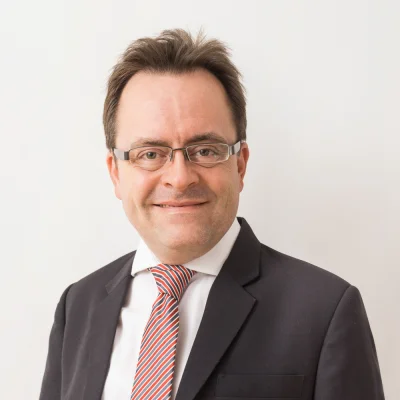
Lecturers from academia, industry, and government bring a mix of research and real-world experience, giving students practical insights into sustainable mobility trends and practices.

TU Berlin






TU Berlin

TU Berlin



Panteion University of Social and Political Sciences in Athens


IKEM

point&

TU Berlin


TU Berlin

Katharina Yombi - Business Mediation & Conflict Consultation




Deutsches Klima Konsortium e.V.

Ernst & Young
IKEM - Institute for Climate Policy, Energy and Mobility
TU Berlin

International Rescue Committee

TU Berlin

WITOS Berlin PartG
TU Berlin

Rohr Consulting & Engineering

Young Mobility Network
Practical, Hands-On Learning
This is not a traditional MBA program — it offers a specific focus on the mobility industry. Students apply their knowledge through case studies, company visits, workshops, excursions, and internships, connecting theory with real-world projects in sustainable mobility.
International and Interdisciplinary Learning Environment
Study alongside students and lecturers from different countries, professional sectors, and academic disciplines, combining perspectives from technology, business, policy, and social sciences. This prepares you to tackle global challenges in sustainable mobility.
Networking and Career Opportunities
Build lasting connections with industry professionals, alumni, and experts from academia, business, and government. Classes take place on the EUREF Campus, a vibrant hub for energy, mobility, and sustainability where many companies are located. Students can gain practical experience through internships or working student positions during their studies. This experience helps open doors to strategic roles and career opportunities in sustainable mobility worldwide.
There is strong demand across the mobility and transport sector in Germany and Europe for professionals with integrative management skills and deep expertise in sustainable mobility. Graduates enjoy excellent career prospects with urban mobility providers, public transport operators, automotive and mobility technology companies, logistics and freight firms, mobility consultancies, and innovative start-ups. Additional opportunities are available with regulatory authorities, policy organizations, environmental associations focused on sustainable transport and mobility solutions.
Motivation to join the MBA Program
This video is hosted on an external platform. By clicking "Load Video", you agree to load content from this third-party service, which may set cookies and track your viewing behavior.
Experience as an MBA Student of the Program
This video is hosted on an external platform. By clicking "Load Video", you agree to load content from this third-party service, which may set cookies and track your viewing behavior.
Highlight of your MBA Experience
This video is hosted on an external platform. By clicking "Load Video", you agree to load content from this third-party service, which may set cookies and track your viewing behavior.
Learning Landscape of the MBA: International and Multicultural
This video is hosted on an external platform. By clicking "Load Video", you agree to load content from this third-party service, which may set cookies and track your viewing behavior.
Modules
M01 Sustainable Technologies
This module explains the basic principles of sustainability and highlights the effects of climate change. It not only deals with different energy sources, but also presents various technologies that are essential for a sustainable transformation. Students gain insights into the fundamentals of technical systems and their social, economic and ecological effects. They are enabled to critically question technologies and propose optimization options.
M02 Innovative Economic Models and Financing
This module is an introduction to economics and the circular economy. Taking into account social responsibility and sustainable development, it teaches the most important fundamentals of innovative economic models for the upcoming modules, builds on the latest findings and critically reflects on economic models. Students also learn about various financial instruments and financing structures for sustainable mobility projects Students are taught how to incorporate ethical considerations into financial decisions.
M03 Business and Business Communication
This module gives inputs on (innovative) business in Sustainable Mobility, building on the latest findings and provides a critically reflective business thinking. Students are able to define the basic principles of business, apply problem-solving skills in case studies involving various fields of knowledge and propose optimisation approaches for the transport sector. The module provides students also with the knowledge, skills and strategies required to communicate effectively in a team and with different stakeholders in a business environment. These objectives include developing effective communication skills, stakeholder analysis and communication, cross-cultural communication competence, ethical and responsible communication practices and leadership communication skills.
M04 Mobility, Law, Governance
This module provides an introduction to mobility on the one hand and an overview of law and governance on the other. It covers key definitions, indicators, and topics related to mobility, highlighting their complex interrelationships. The module also examines the legal foundations and framework at international, European, and national levels, including political instruments for sustainable mobility. Students will learn to analyze complex cases, summarize legal issues, and understand governance structures. By the end, students will be equipped to evaluate legal issues and grasp the complexity of the legal framework in transportation.
M05 Project Management
This module provides students with essential knowledge, skills, and tools for effective project management and financial resource optimization. Students will learn key methodologies for planning, executing, and closing projects, alongside foundational financial accounting principles related to project management. They will develop the ability to manage budgets, allocate resources, and track financial performance, ensuring projects are completed on time and within budget. By the end of this module, students will be prepared to lead and manage projects effectively, optimizing both human and financial resources to achieve organizational goals.
M06 Innovation and Transformation Management
In this module, students will identify and analyze innovative and disruptive technologies, social innovations, and current challenges. They will develop strategies for innovation, including product, process, and business model innovations, using methods like Lean Startup and Design Thinking. The course covers creating effective change strategies, managing technological shifts, and evaluating political, legal, and market frameworks. Students will explore change communication, fostering an innovation culture, and leadership in organizations. By the end of the module, students will be adept at understanding, analyzing, and evaluating organizational change processes and innovation strategies.
M07 Mobility Behaviour and Human-Centered Design
In this module, students will acquire methods to understand and identify the needs and perspectives of users, applying these insights to the design of innovative mobility solutions. The curriculum covers the study of mobility behavior, including factors that influence changes in how people move and the concept of technological acceptance. Students will also engage with key theories that explain and predict mobility behavior changes. To put theory into practice, students will work on a case study where they will apply their knowledge to develop user-centered mobility solutions, gaining hands-on experience in designing strategies that align with real-world user needs and behaviors.
M08 Lectures Series: Perspectives & Methods
The main objective of this module is to offer current perspectives in the discourse on sustainable mobility and the transformation of the mobility sector by engaging both practitioners and researchers in the field. It covers diverse viewpoints on sustainable mobility while also addressing critical questions about the most effective research and analysis methods to be employed in driving and studying this transformation.
M09 Mobility Trends and Futures
After taking this module, students will:-understand mobility trends in order to be able to address the complexity of the open and network-based transport systems of the future -be able to evaluate social and technological transformation and change-have a firm grounding in the development of forecasts-be able to use this knowledge to construct scenarios and plan long-term developments in mobility transformation.
Compulsory Electives
The MBA in Sustainable Mobility Management offers three elective modules that allow students to deepen their expertise in key areas of sustainable mobility. In addition, students can choose from elective modules offered by the MBA Energy Management and MBA Building Sustainability programs to broaden their interdisciplinary perspective. In total, nine electives are available across the three MBA programs, from which two must be selected.
Elective options within the MBA in Sustainable Mobility Management include:
Entrepreneurship in Sustainable Mobility – 6 ECTS
This module explores entrepreneurship in sustainable mobility, focusing on its role in driving innovation and tackling environmental challenges in transport. Students will learn to identify market opportunities, understand market dynamics, consumer preferences, and regulatory factors, and evaluate business models in the sustainable mobility sector. Additionally, students will be encouraged to develop essential entrepreneurial skills and mindsets necessary for success in this rapidly evolving field.
Freight Transport and Logistics – 6 ECTS
This module equips students with the knowledge, skills, and strategies to optimize the movement of goods and commodities, focusing on minimizing environmental impact and improving economic efficiency. Students will tackle the complex challenges of the freight transportation industry, including sustainability, efficiency, and resilience, and will learn to drive positive change through the adoption of sustainable logistics practices and innovative solutions.
Urban and Transport Planning: Concepts and Experiences – 6 ECTS
Students will get acquainted with transport and urban planning: they will develop knowledge of smart city concepts, theories, and criticism. Case studies introduce mobility challenges in emerging countries, and students will learn how to develop suitable and effective instruments to address these.
Master thesis
In the final phase of the program, students complete a Master’s thesis, allowing them to specialize in a topic of their choice within the field of sustainable mobility. The thesis provides an opportunity to apply the knowledge and skills acquired throughout the MBA to a real-world challenge or research question. Students may also choose to write their thesis in cooperation with a company, combining academic rigor with practical industry relevance.
University Life
Life in Berlin
Berlin, the capital of Germany, is an international hub offering rich cultural, social, and professional opportunities. Students can access English- and German-speaking part-time jobs, internships, and volunteering or civil engagement opportunities while exploring the city’s dynamic start-up and innovation scene. Regular meet-ups with networks such as Young Mobility Network and Women in Mobility provide opportunities to connect with professionals and peers, fostering both career growth and community engagement. Beyond academics, students can enjoy Berlin’s vibrant cultural life, cafés, museums, music, and parks, making it an exciting place to live and study. Affordable transport is included with the Deutschlandticket, making it easy to navigate the city.
Campus and Facilities
EUREF Campus Berlin
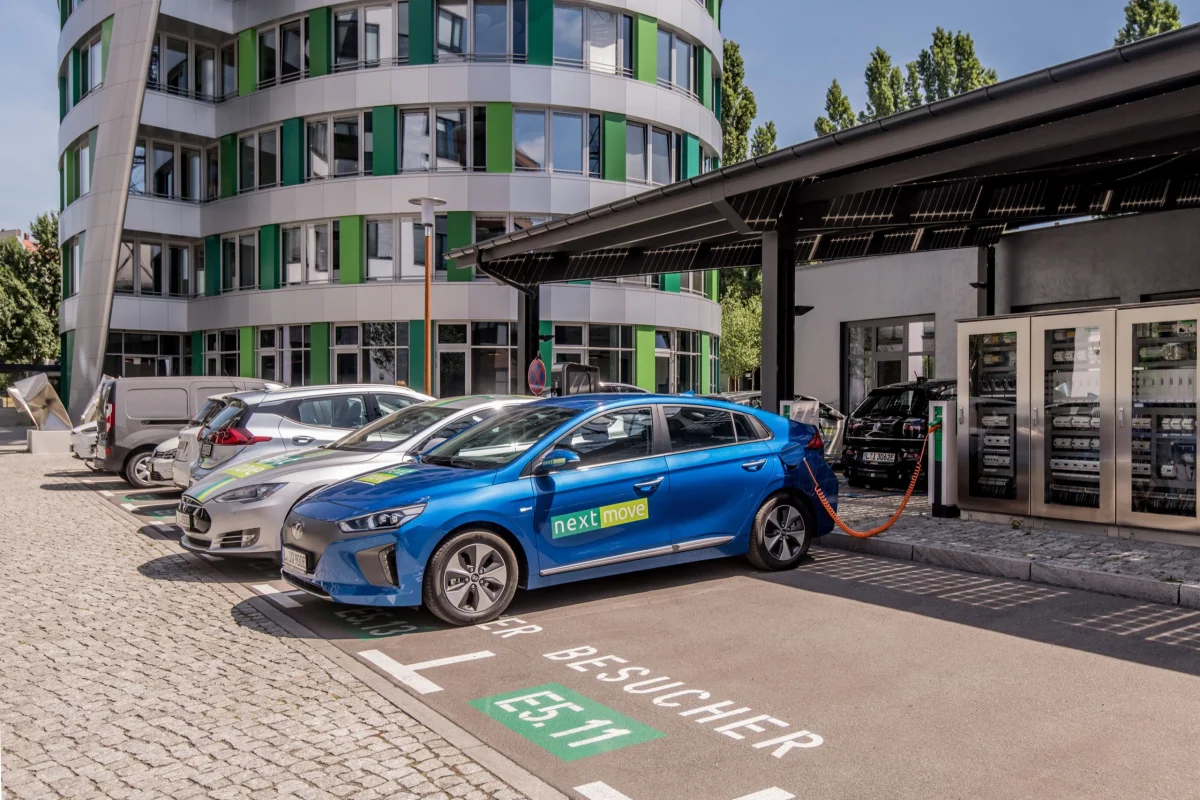
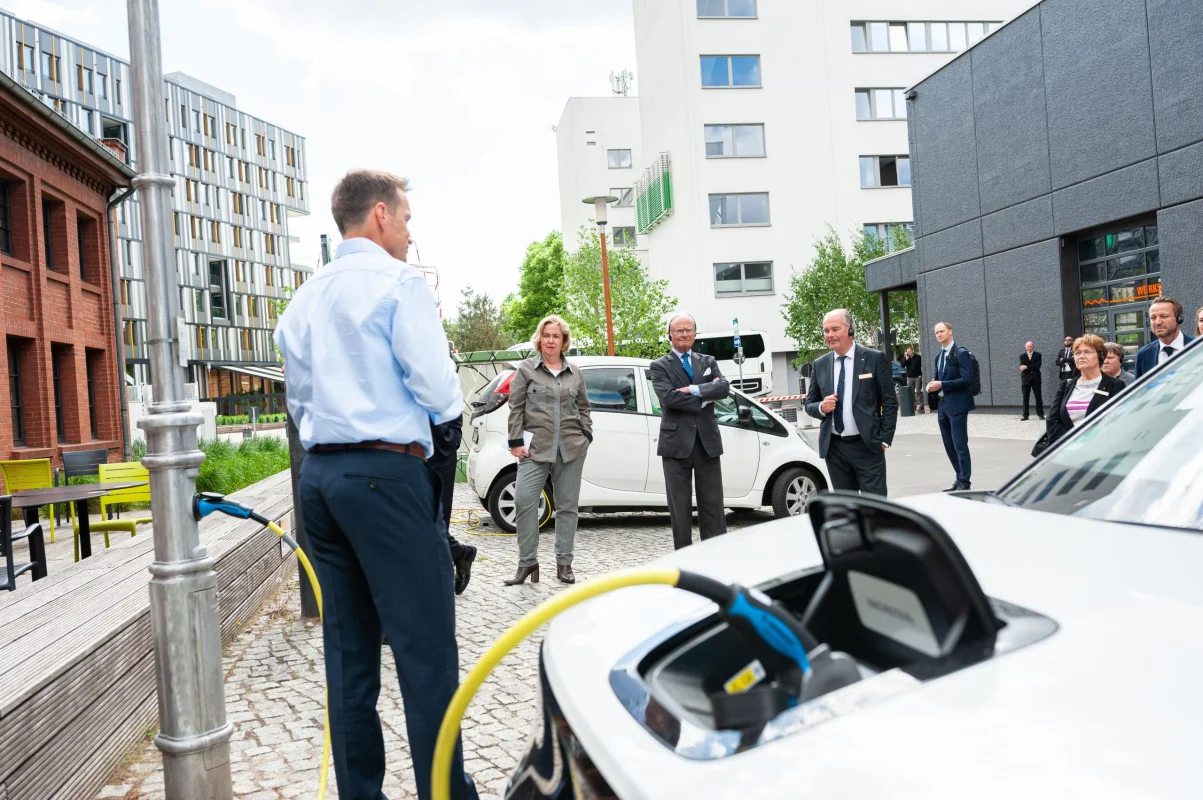
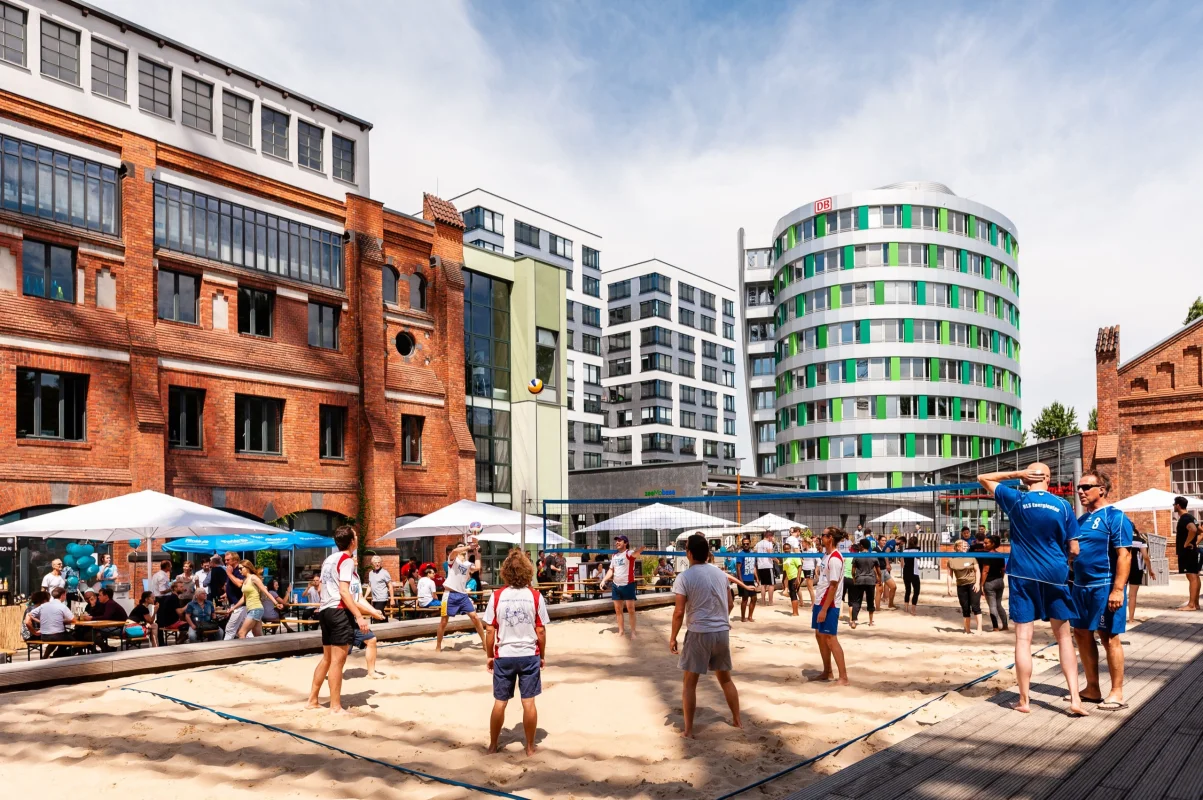
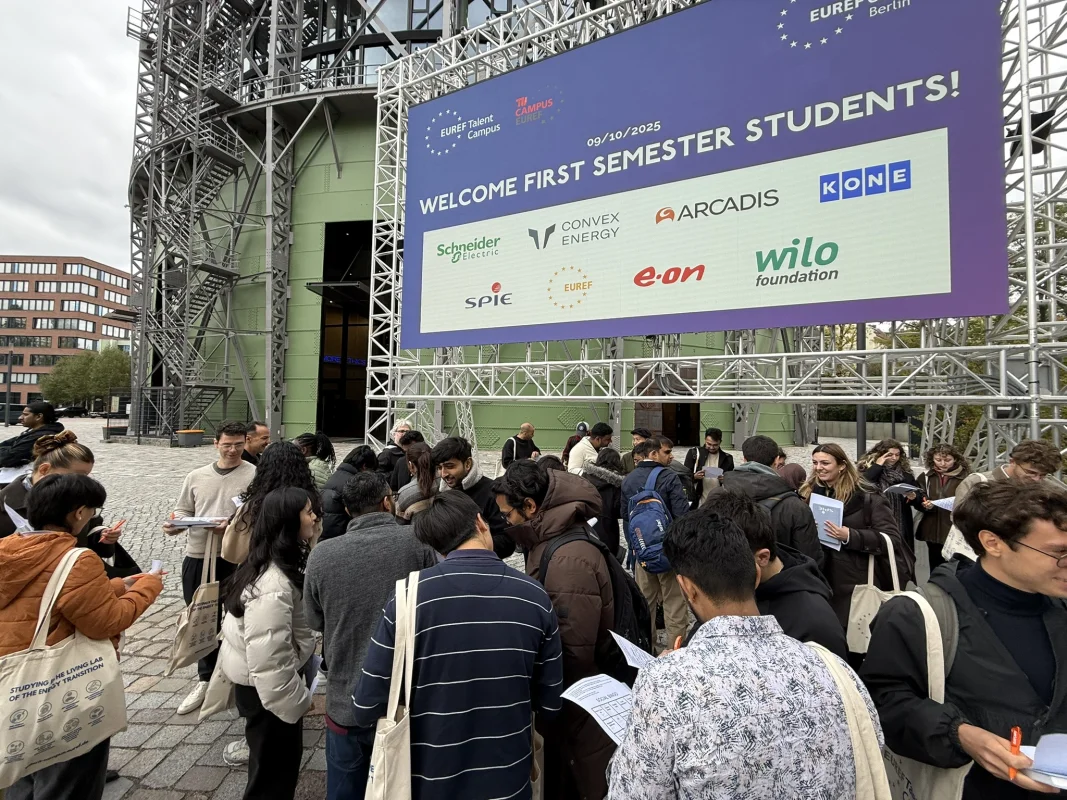
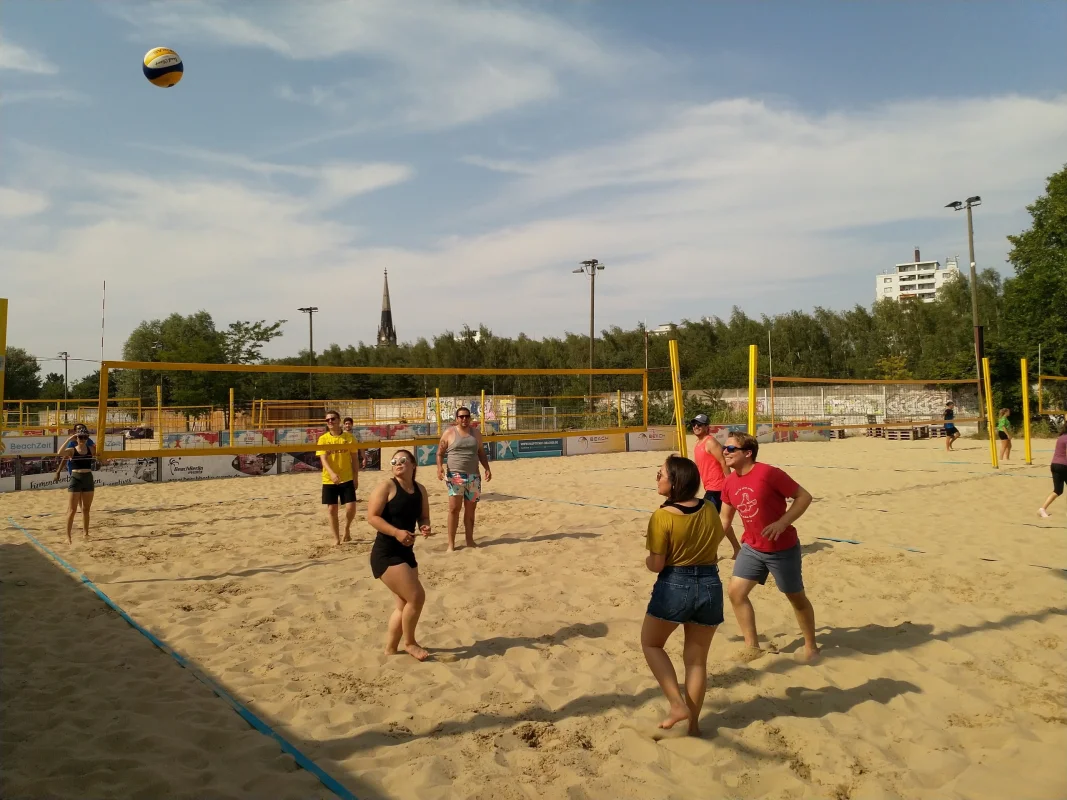
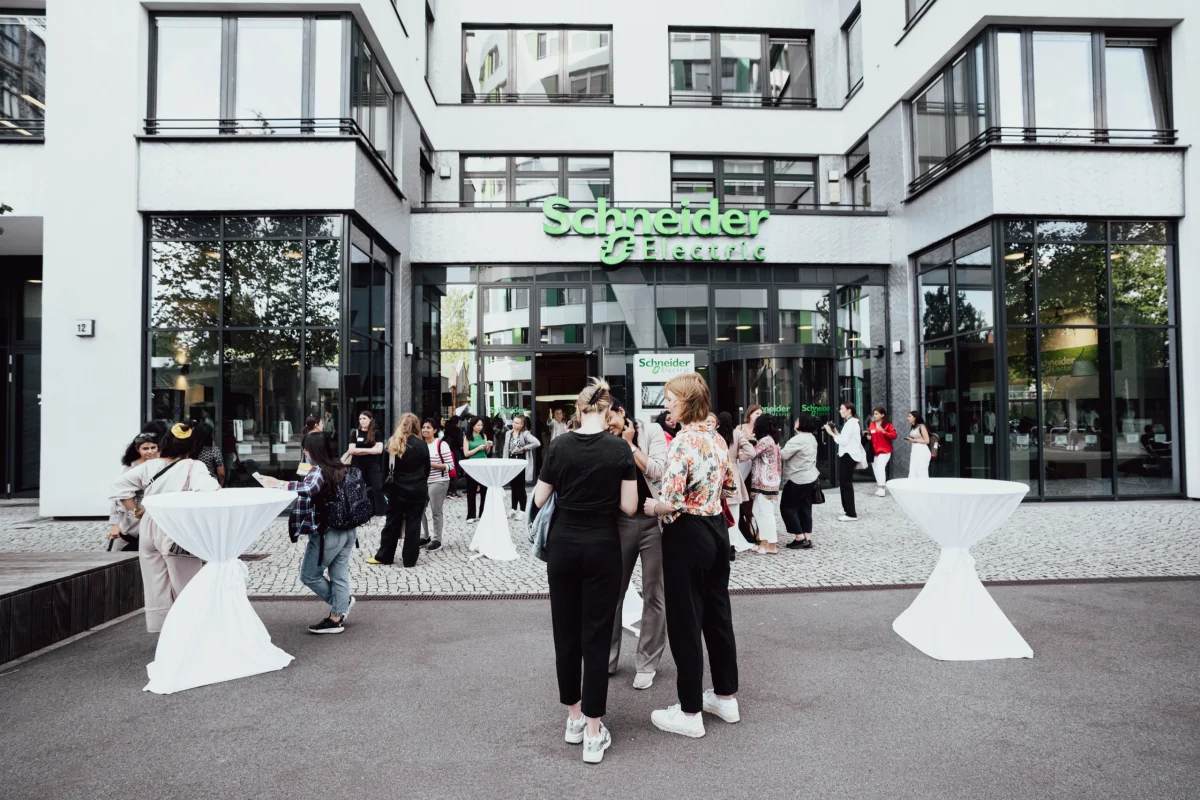
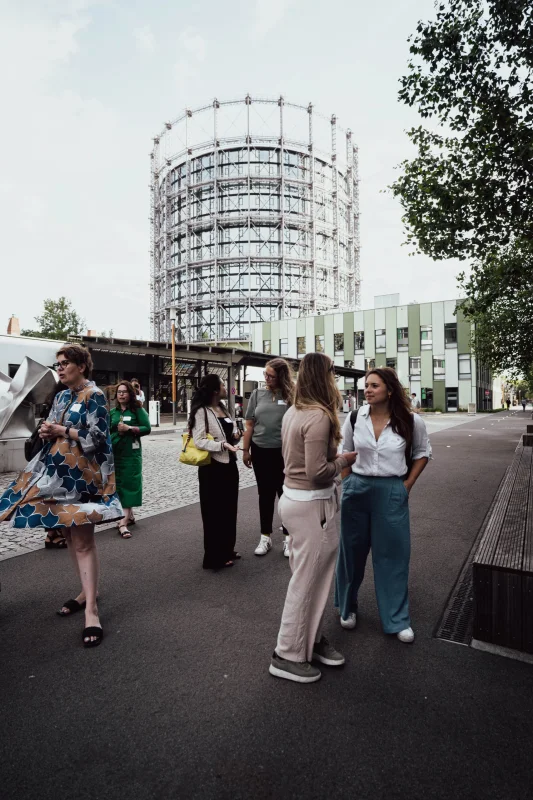
Most courses take place on the EUREF Campus, a hub for energy, mobility, and sustainability, where some students and alumni work alongside innovative start-ups and established companies. The campus fosters a collaborative environment, and students can enjoy free coffee and tea while connecting with peers. For recreation, the campus also features a beach volleyball field and other communal spaces.
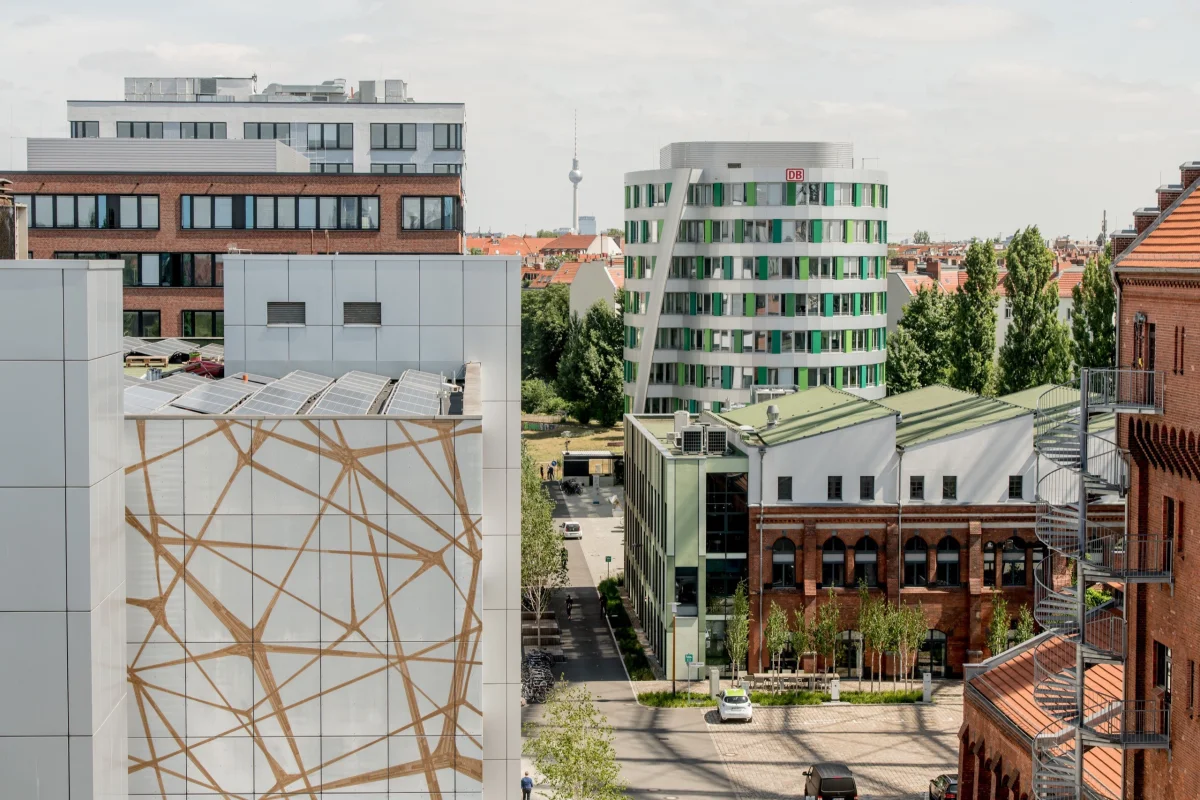
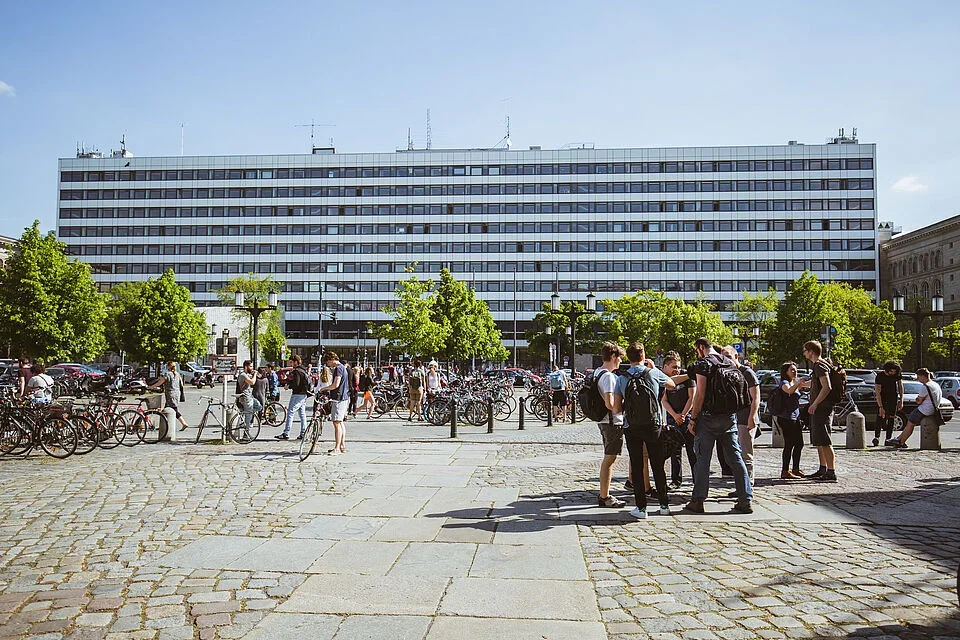
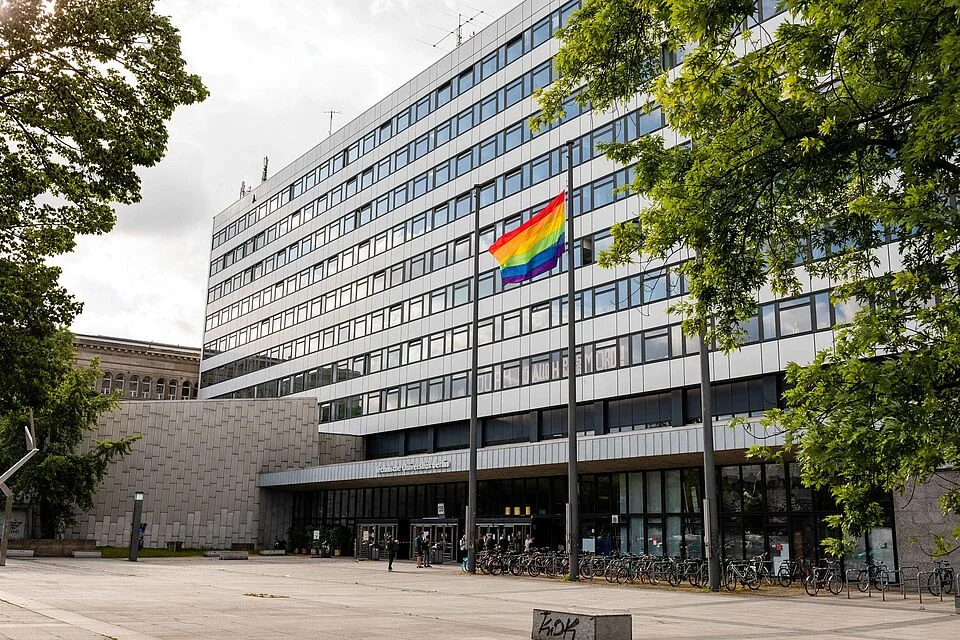
Technische Universität Berlin
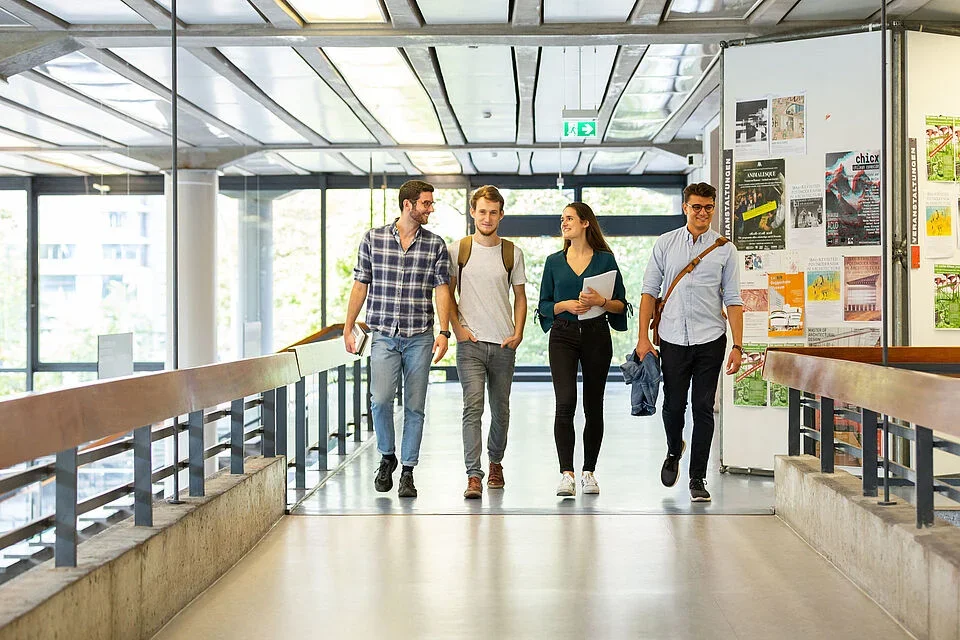
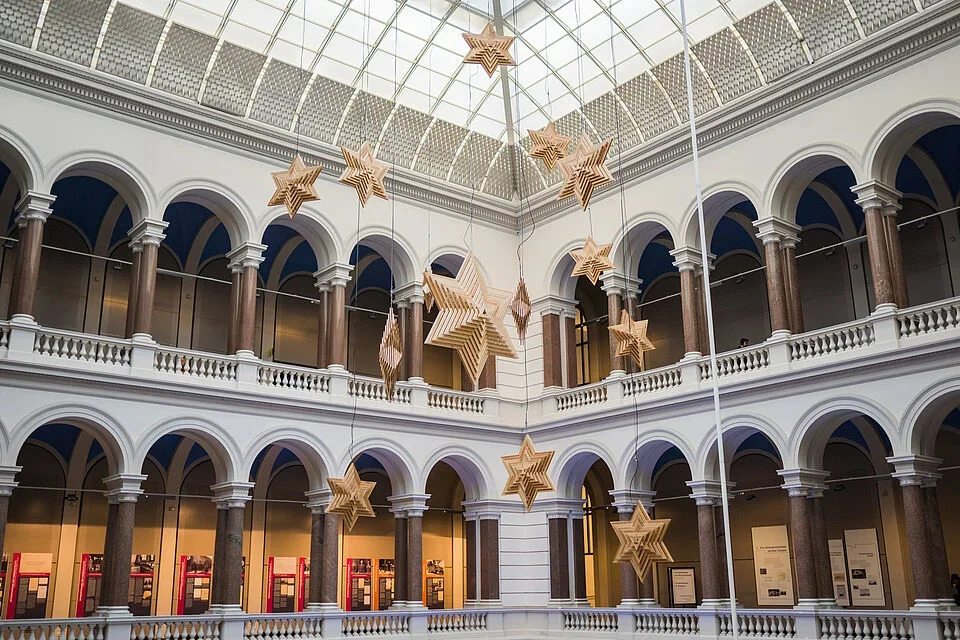
At TU Berlin, students have access to modern libraries, study areas, and the Mensa for affordable meals. The university also offers a wide range of sports programs, language courses, and career services to support academic and personal development.
Extracurricular Activities
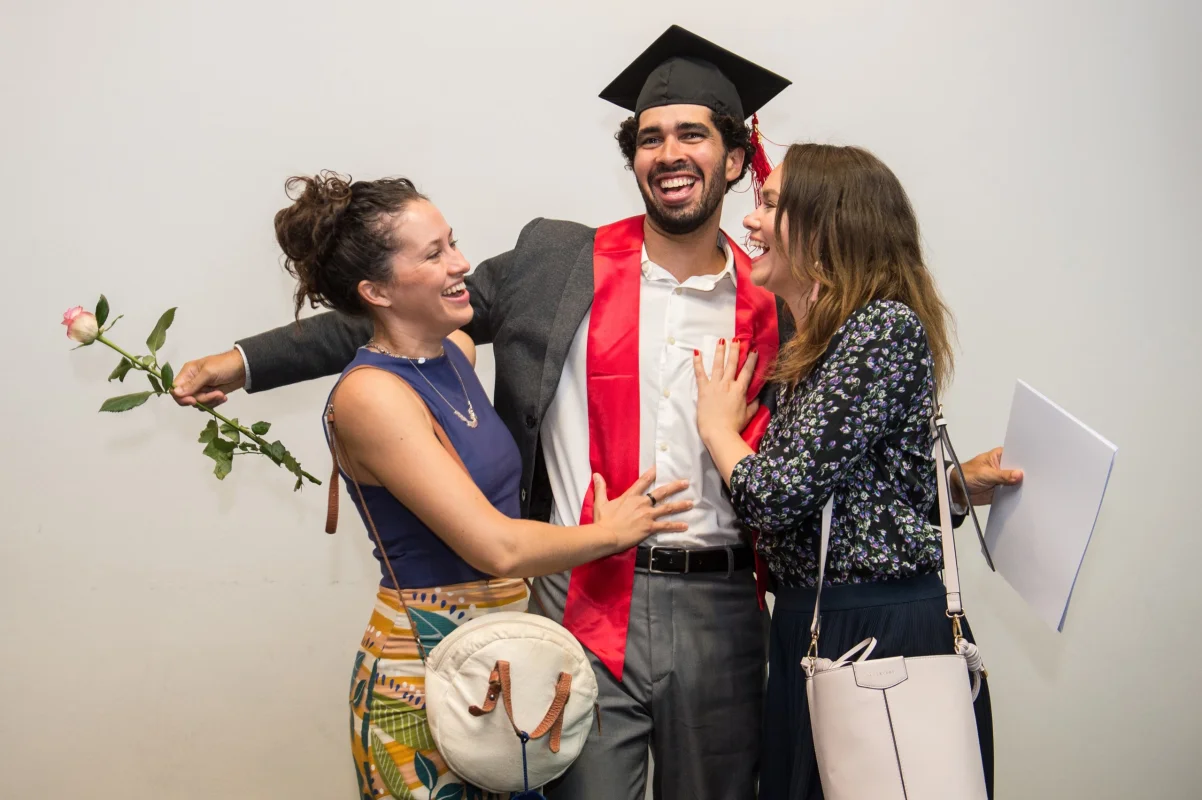
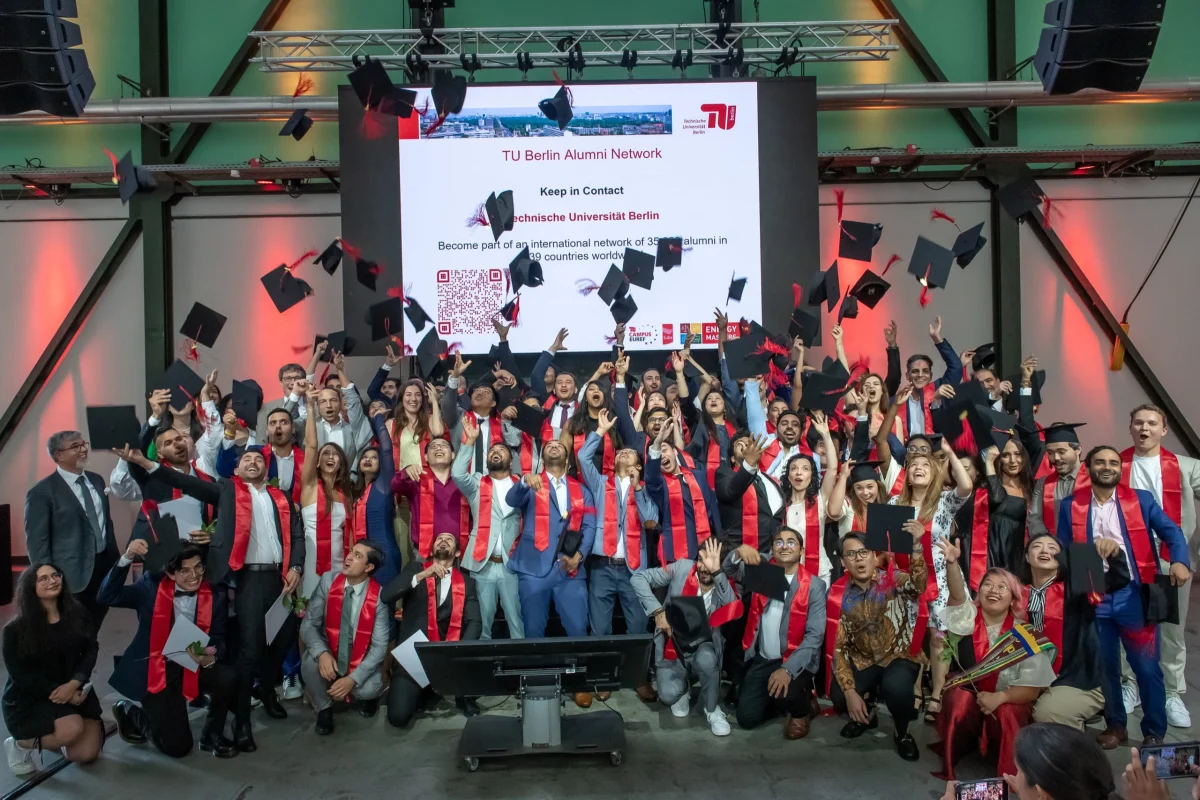
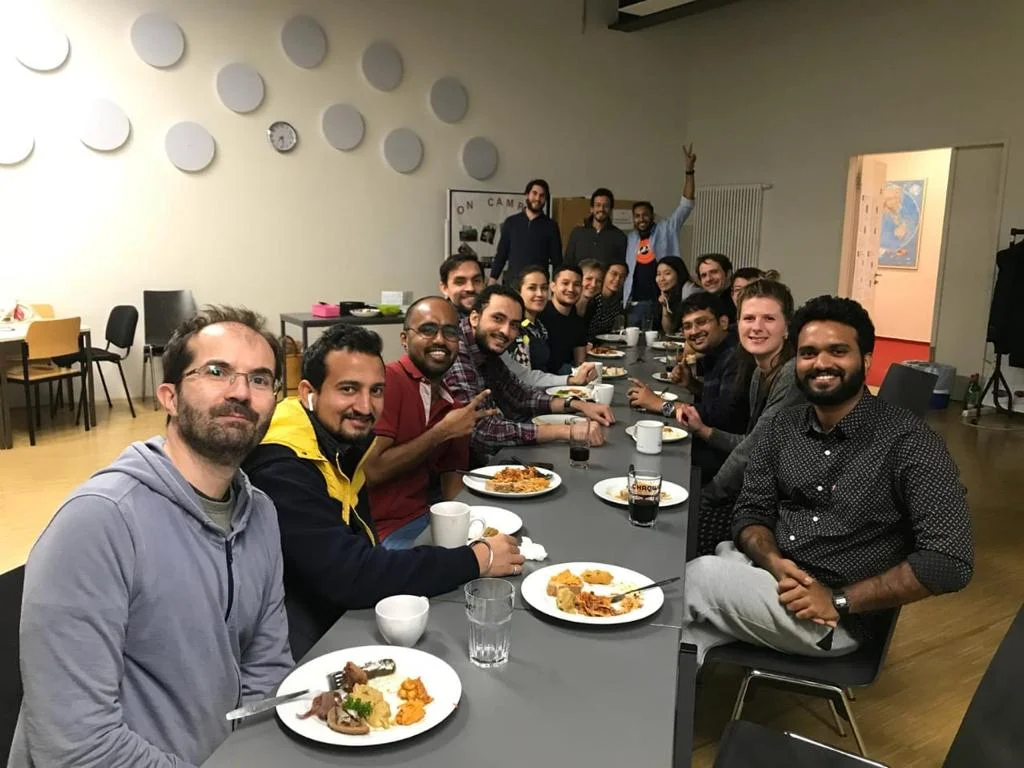
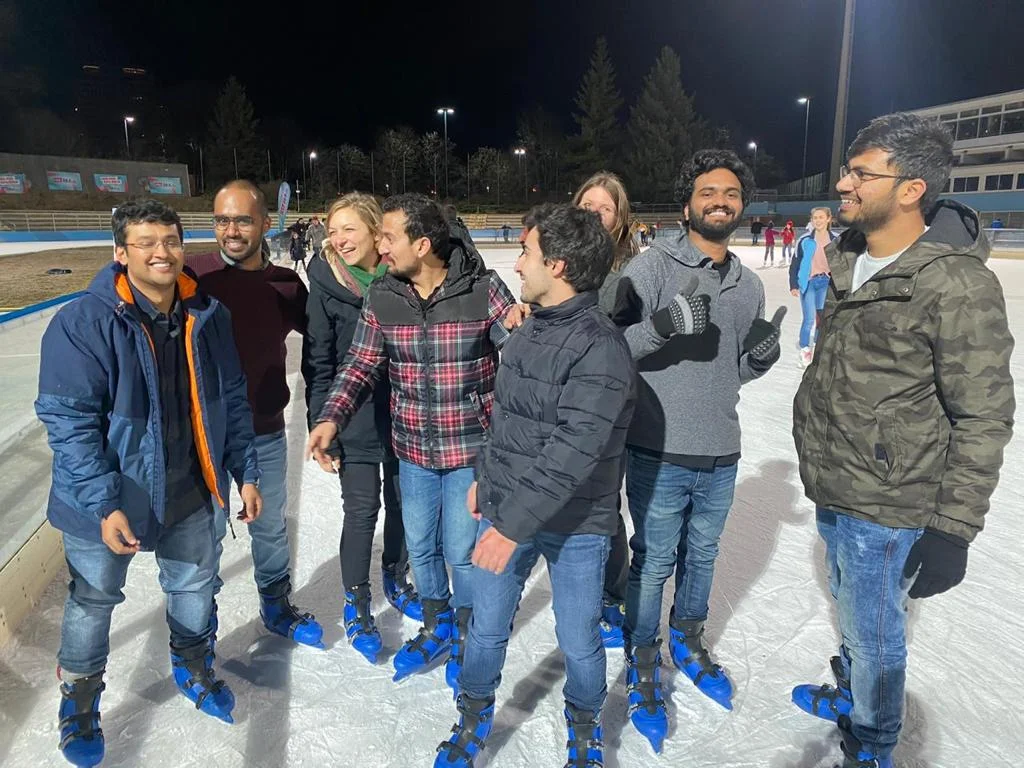
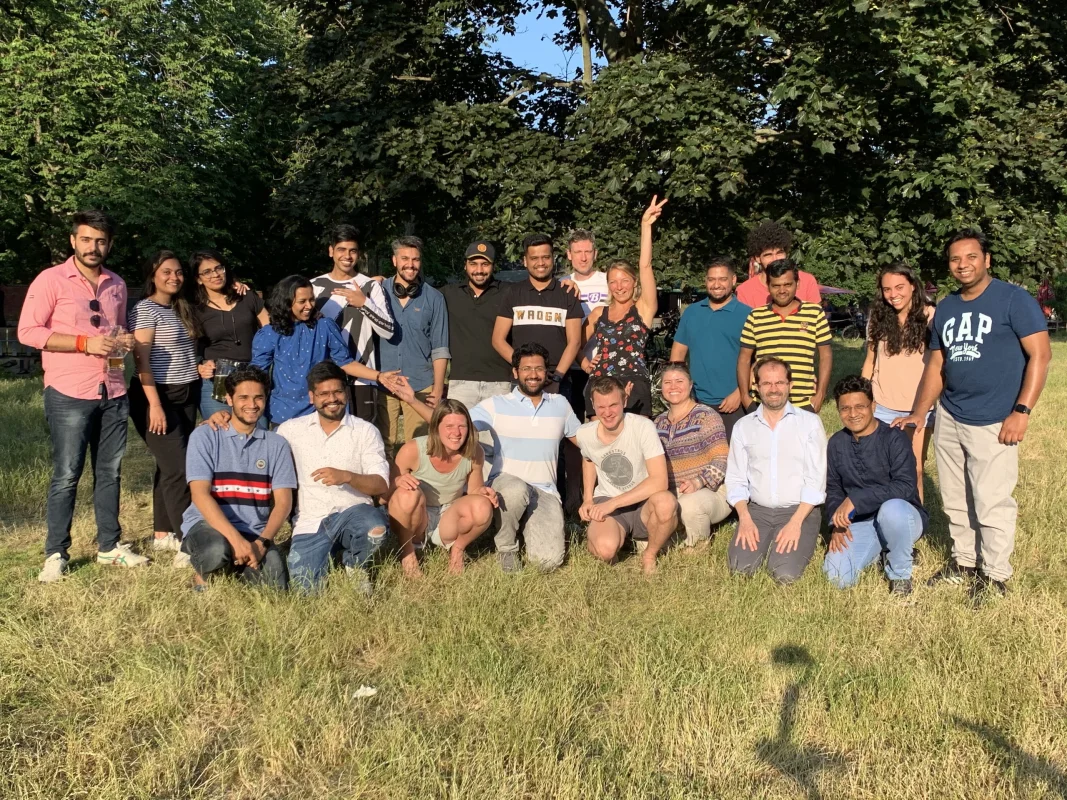
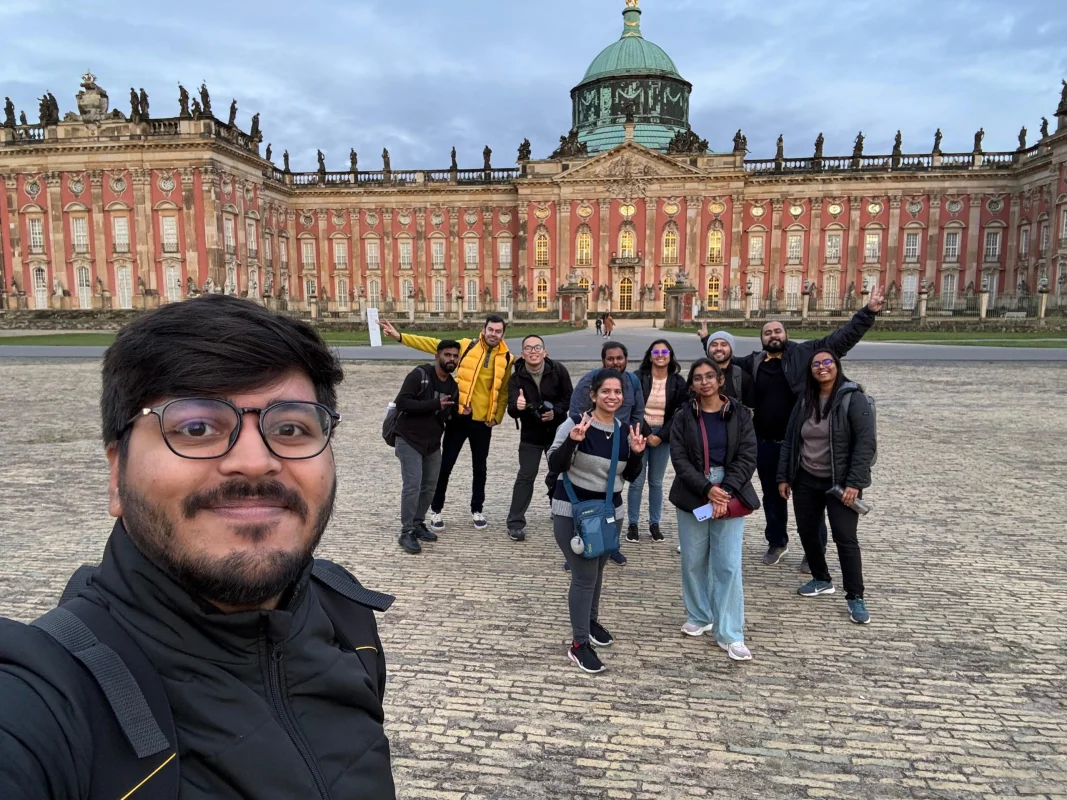
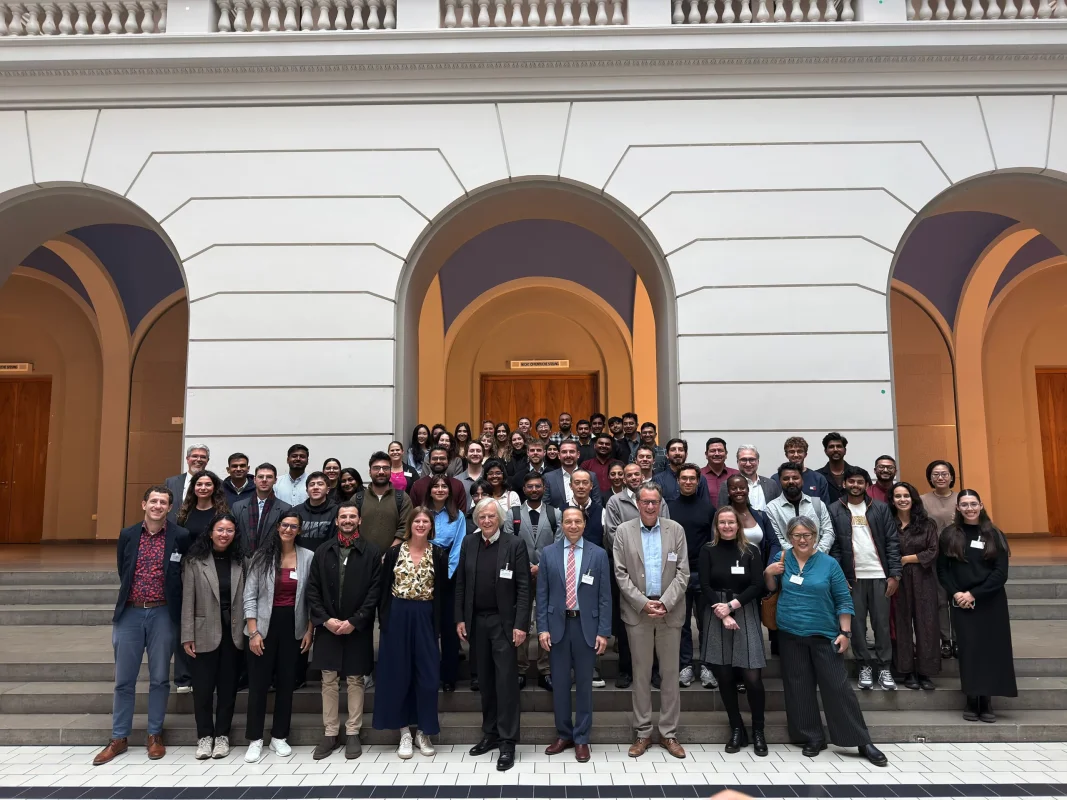
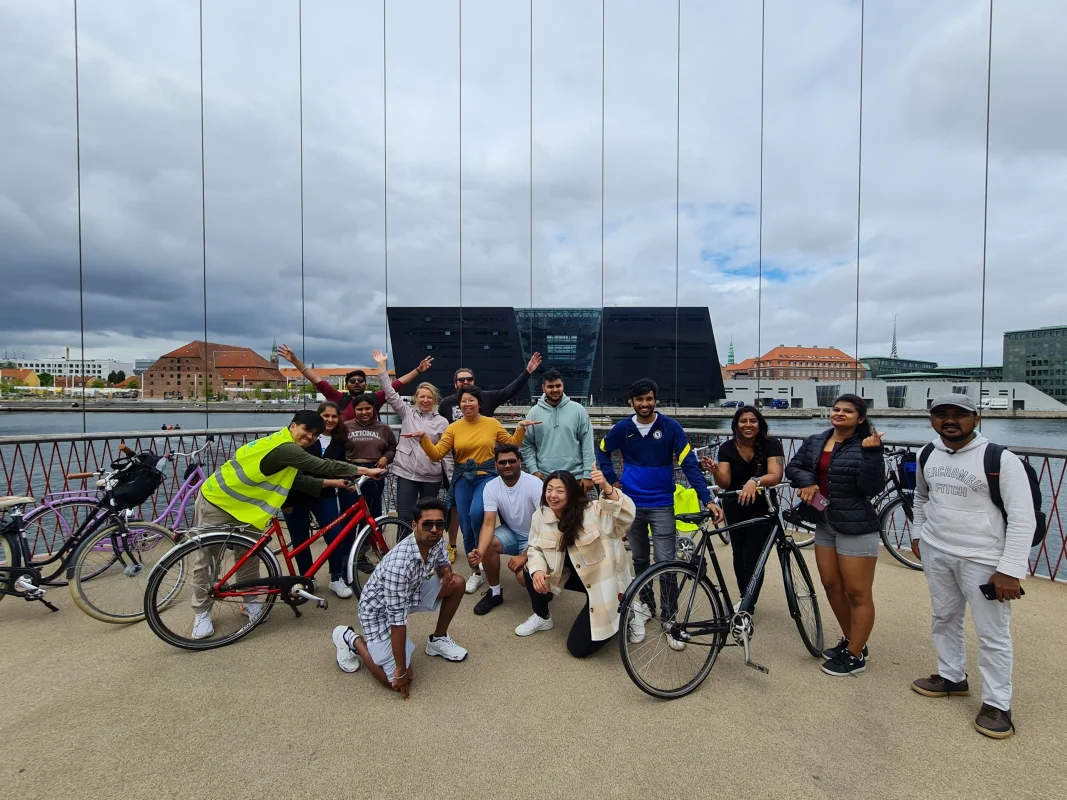
Students are encouraged to take part in a variety of cultural and social events organized by the program, such as the Orientation Week, potlucks, sports activities, and the annual Christmas party, which foster networking and community building. The program concludes with a Graduation Ceremony celebrating students’ achievements and providing a final opportunity to connect with peers, faculty, and alumni. In addition, students can participate in extracurricular challenges, competitions, and hackathons, gaining hands-on experience and connecting with peers across disciplines.
Networking Opportunities and Excursions
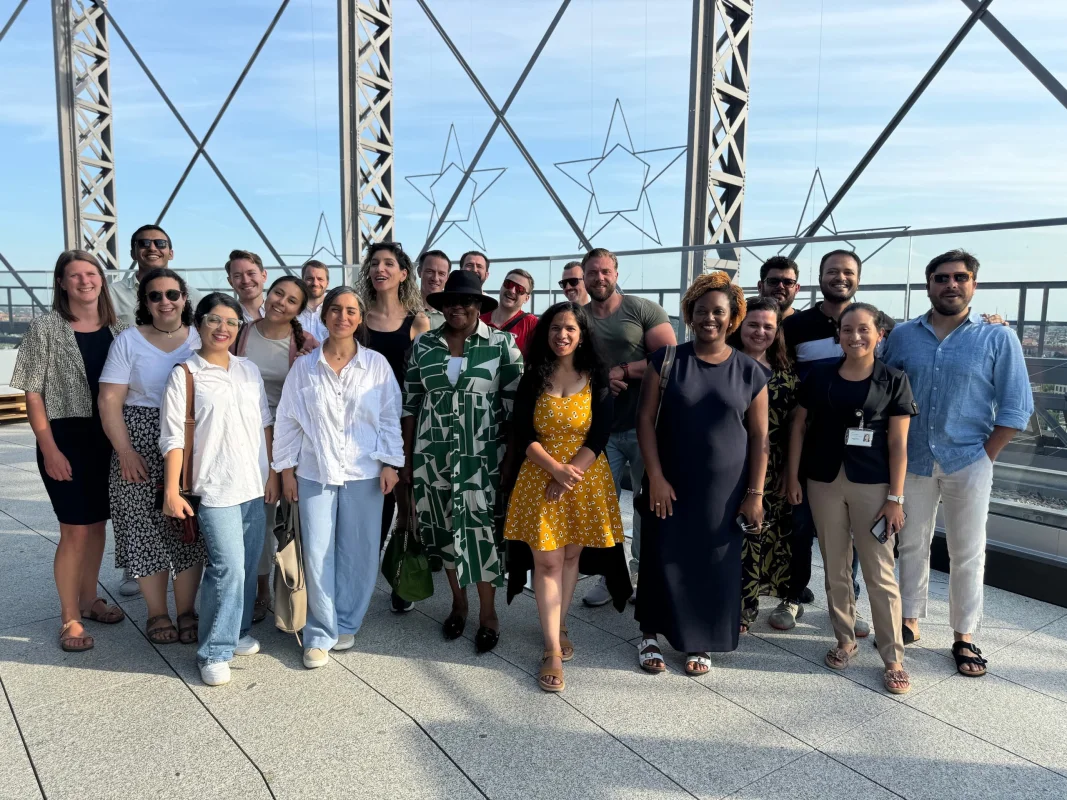
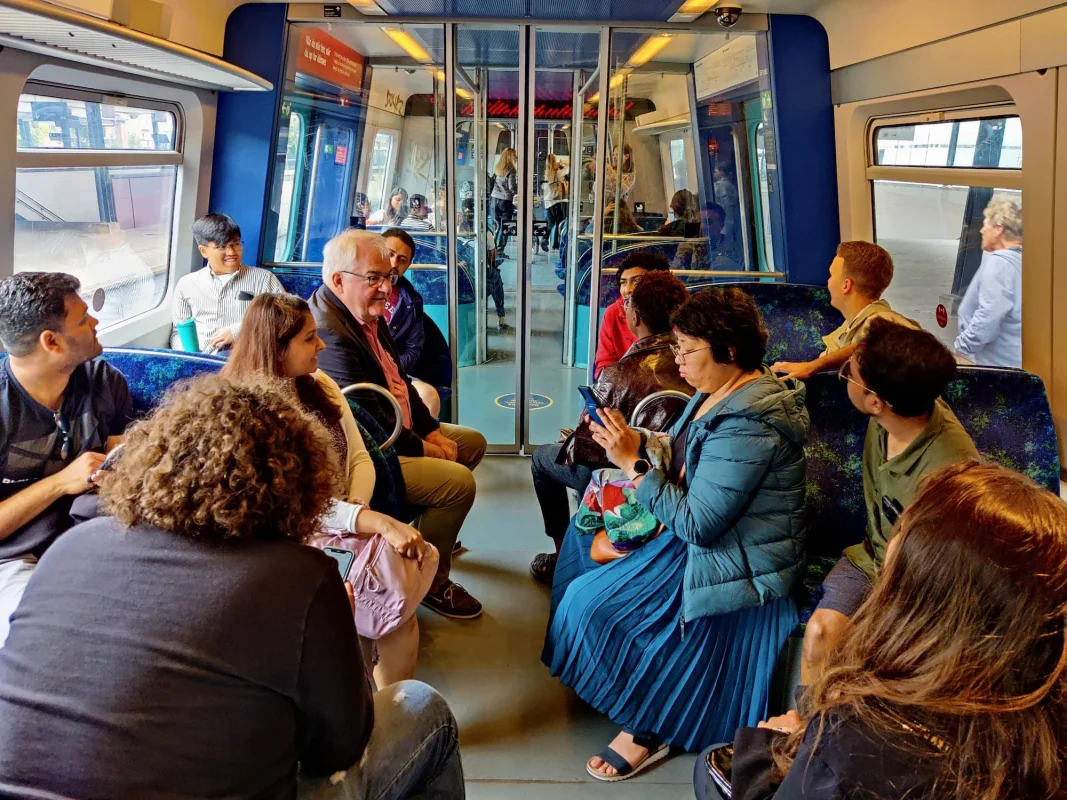
The MBA program offers a variety of opportunities to connect with professionals, peers, and alumni. Students can participate in conferences, the annual alumni meeting, networking events with companies on the EUREF Campus, and excursions to leading organizations. Lecturers from both academia and industry provide insights and connections, while collaboration with students from other MBA programs broadens perspectives and expands professional networks, helping students build valuable connections in the sustainable mobility sector.
International and Interdisciplinary Community
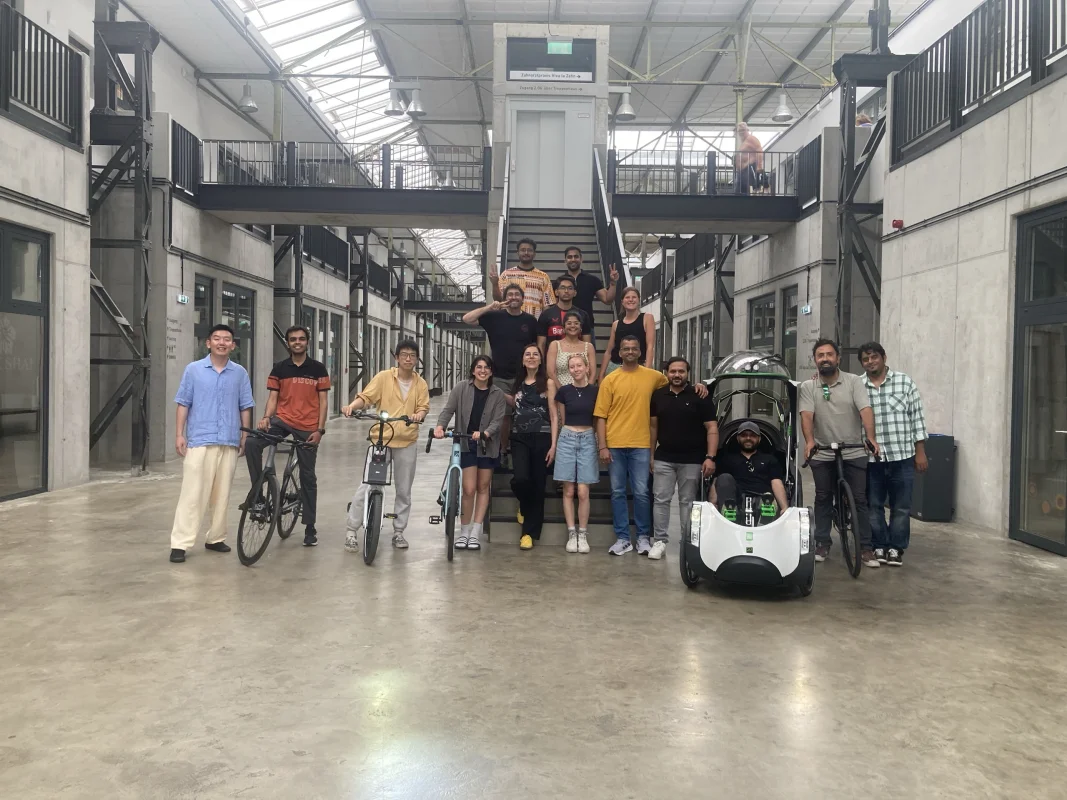
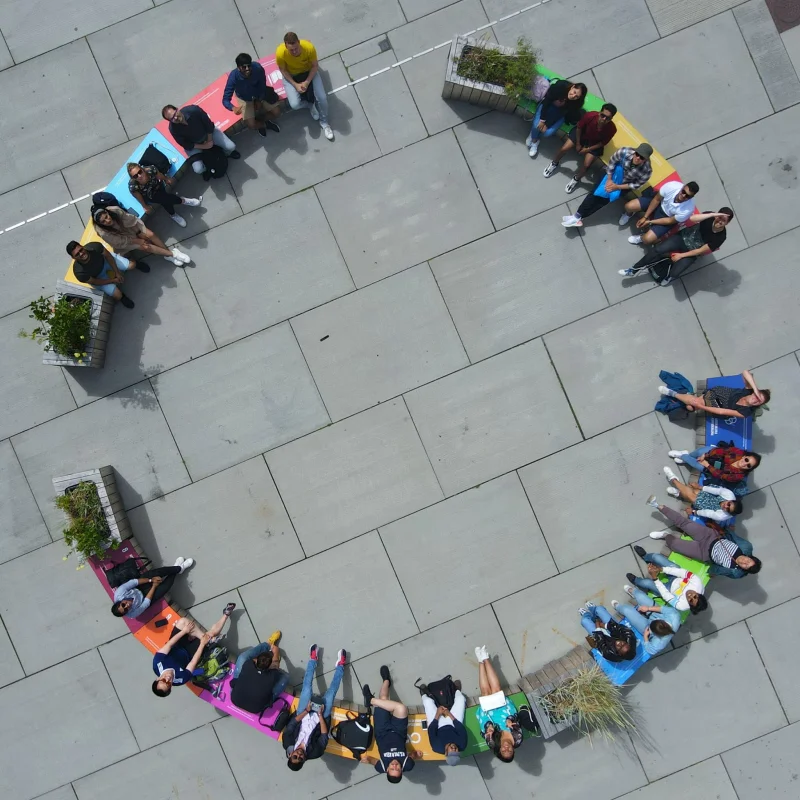
The MBA brings together students from diverse academic, professional, and cultural backgrounds, creating a truly international learning environment. Small, interactive class groups and group projects encourage collaboration and the exchange of ideas across disciplines, fostering interdisciplinary thinking and preparing students to tackle complex challenges in sustainable mobility.
This spirit of community continues beyond graduation through an active alumni network, which connects graduates across the world and supports ongoing professional exchange, mentorship, and career development.
Application
Application Period
The application period for the upcoming winter semester of each year begins on October 1. The application deadline is March 31. 📩 Missed the regular application deadline? If you do not require a visa and are still interested in joining the program, please contact us at contact@master-in-energy.com. We are happy to review individual cases.
The number of students is limited to 30 per year. The admission committee will select based on results of former studies, professional achievements, and further relevant qualifications that were attained outside university.
For more information, please check The Application and Admission Regulations (English translation, German version binding).
If you have any questions regarding the application procedure of Sustainable Mobility, please contact: contact@mobility.tu-berlin.de.
Required Application Documents
- copy of your first university degree (original and translation into English)
- transcript of records (translation into English)
- proof of work experience (at least one year afteryour first university degree!)
- letter of motivation
- CV
- proof of English-language skills (see below for more information and exemptions, we recommend B2-C1 minimum)
- GMAT/GRE, if available
How to Apply
Apply online through DreamApply, our application portal. The process is simple and fully digital.
Finance
Fees
The tuition fee for the master’s program is €19,800 (€6,600 per semester), plus the regular TU Berlin administration fee of currently €360.49 per semester. The tuition fee covers all courses and materials and includes the Deutschlandticket for public transport. Please note that tuition fees and the inclusion or exclusion of the public transportation ticket are subject to change. We recommend checking the TU Berlin administration fee page for the most up-to-date information.
Fees can be paid by Flywire.

Financing Your Studies
To cover living expenses during your stay in Berlin, we recommend budgeting €1,200–€1,400 per month.
There are several ways to finance your studies beyond personal savings. You may consider approaching your employer, who might offer sponsorship or arrange a flexible work schedule that allows you to continue earning while studying. Please note that the MBA is a full-time program, and teaching hours can vary from week to week. However, students may request approval to complete the program on a part-time basis.
Scholarships are also a valuable option, particularly for students with strong academic performance or active involvement in social and environmental initiatives.
We encourage students to take on part-time jobs, working student positions, or internships alongside their studies to gain practical experience and build their professional network. You can find English- and German-speaking opportunities in Berlin through various job search platforms. Here are a few to get you started:
Scholarships
Check whether your national academic exchange service offers study abroad scholarships, and also explore government-sponsored programs. A focus on sustainability in your studies is highly valued, so we strongly encourage you to apply for scholarships.
Please note that many scholarship deadlines are early, so it’s important to apply as soon as possible. Scholarships are typically aimed at students who demonstrate above-average academic performance, a strong commitment to their studies and active engagement in society or environmental initiatives.
Exclusive Program-Specific Scholarships
SafeDriver Group scholarship
SafeDriver Group provides a scholarship exclusively for the Sustainable Mobility Management program. The scholarship offers partial tuition fee coverage and includes a paid internship throughout all three semesters. Learn more.
Changemaker scholarship
The TSH Talent Foundation supports students through accommodation, personal development activities, and access to a strong network. To be eligible, you must already have a tuition fee waiver from another company, organization, or government body.
More information is available on their website. Further details regarding the scholarship application will be provided in the admission letter.
How to Apply
You can apply for the scholarships directly through our application portal as part of the program application process.
General Scholarships
You can explore the following platforms to find suitable scholarship opportunities:
German scholarships for international students
Publicly funded scholarships for international students
For these Scholarships, you will get 300€ per month and depending on your financial situation up to 720€ additionally.
- Deutschlandstipendium
This public grant consist only of 300€, but is given at a larger number of students! Application are from mid-June to mid-July. - Rosa-Luxemburg Stiftung
Foundation of the radical left-wing German party. They have a specific scholarship program for international Students. Applications deadline are on the first of April and the first of October.
Publicly funded scholarships for international students with C1 (or equivalent) German level
For these Scholarships, you will get 300€ per month and depending on your financial situation up to 720€ additionally.
- Friedrich Ebert Stiftung
Foundation of the social Democratic Party, 40 Students from the global south are accepted yearly. The application is possible until the beginning of the masters, the deadline being the end of November. - Stiftung der deutschen Wirtschaft
Scholarship of the German employers organization, Application period is in April and in October. - Cusanuswerk
Scholarship of the German episcope, only for person of Christian belief. Application deadline is the first of august - ESW
Scholarships of the protestant church of Germany, not restricted to protestant believers. Application deadline is the first of march. - DAAD Study Scholarships – Master Studies for All Academic Disciplines
Monthly allowance of 850€, health insurance cost and travel costs are included, as well as other aids.
Scholarschip from private NGOs and foundations for international students
- Care Concept Stiftung
- Ferdinand und Charlotte Schimmelpfennig Stiftung
Private NGO financially supporting students in Berlin under 30 years old who are in financial need. - SBW Berlin
Scholarship for foreign students to study in Berlin, emphasis on the social engagement and commitment of the students - KAAD
Academic catholic exchange organization, scholarships for students from Africa, South America, and the Middle East. Open solely to catholic students who are ready to attend a paid German course.
German Scholarships for European Students
Scholarships from foundations for European Students
For these Scholarships, you will get 300€ per month and depending on your financial situation up to 720€ additionally.
- Hans Böckler Stiftung
for EU residents of the major German Workers Union. Application for the Sommersemester are from November until January. - Friedrich Naumann Stiftung
For non-EU Students
Foundation of the liberal German Party. Application period is in April and in October. - Studienstiftung
Public grant for excellent students, only for EU residents.
Regional or Country-specific Scholarships
- DAAD-ACEH Scholarship of Excellence
For student of the region of ACEH, Indonesia (Region of the Tsunami of 2004) - Leadership for Africa
Program for citizens/or refugees in Ethiopia, Kenya, Uganda or Sudan - ColfuturoGuidance and finance for postgraduate studies for Columbian citizens
Team
TU Berlin
TU Berlin
TU Berlin

TUB/CO

TUB/CO
Events & News
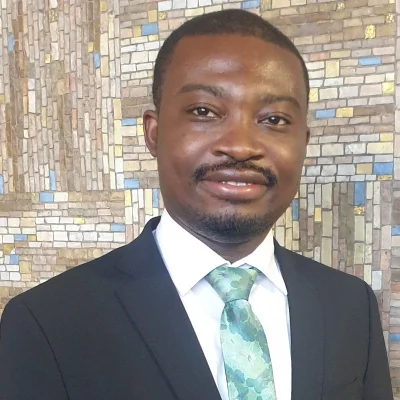
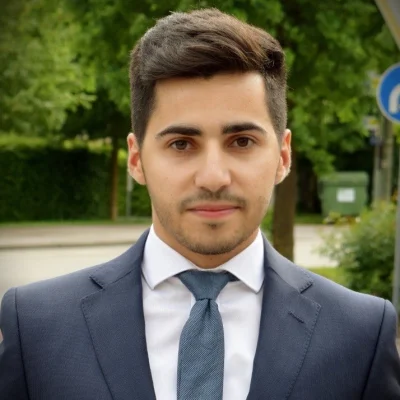
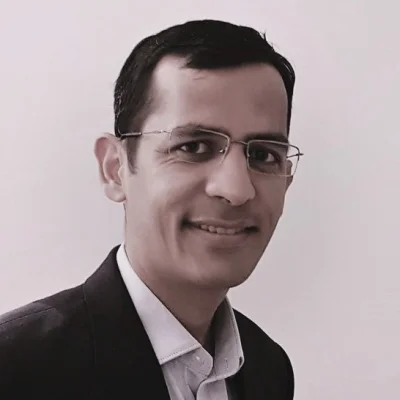
Student Voices



Downloads
- Additional Amendment of the Admission and Study and Examination Regulations, 2024 (German-Binding Version)
- Admission and Study and Examination Regulations, 2019 (German-Binding Version)
- Admission and Study and Examination Regulations, 2019 (English Translation)
- General Study and Examination Regulations of Technische Universität Berlin, 2024 (German - Binding Version)
- General Study and Examination Regulations of Technische Universität Berlin, 2024 (English Translation)